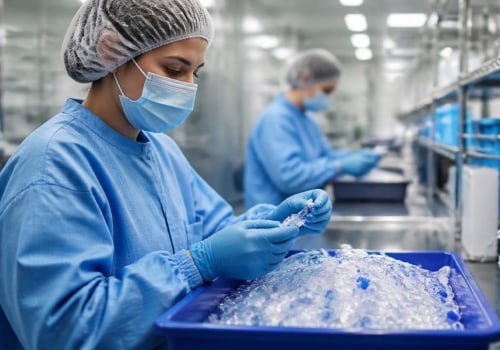
The landscape of medical device manufacturing is a complex and dynamic field that plays a crucial role in healthcare innovation. As the demand for advanced medical technologies continues to rise, the need for specialized expertise in manufacturing has become increasingly important. This is where contract manufacturers step in, providing essential services that enable companies to bring their innovative products to market efficiently and effectively. Contract manufacturers serve as strategic partners for medical device companies, offering not only production capabilities but also a wealth of knowledge in regulatory compliance, quality assurance, and supply chain management. By leveraging the expertise of these manufacturers, companies can focus on their core competencies—such as research and development—while ensuring that their products meet stringent industry standards.
This collaboration is vital in an industry where precision and reliability are paramount. Moreover, the role of contract manufacturers extends beyond mere production; they are integral to the entire lifecycle of a medical device. From initial design and prototyping to full-scale production and post-market support, these manufacturers help navigate the complexities of medical device manufacturing. Their ability to adapt to changing technologies and market demands allows for greater flexibility and innovation, ultimately benefiting patients and healthcare providers alike.
What Are Contract Manufacturers?
Contract manufacturers play a pivotal role in the medical device manufacturing industry by providing specialized services that allow companies to focus on their core competencies, such as research and development, marketing, and sales. Essentially, a contract manufacturer is a third-party company that produces goods on behalf of another company, often under the latter's brand name.These manufacturers are equipped with the necessary expertise, technology, and regulatory knowledge to produce high-quality medical devices that meet stringent industry standards.Their involvement can significantly reduce production costs and time-to-market for medical device companies.
Types of Contract Manufacturers
- Full-service contract manufacturers: These companies handle the entire manufacturing process, from design and prototyping to production and packaging. They are ideal for companies looking for a comprehensive solution.
- Component manufacturers: These firms specialize in producing specific components or parts of medical devices. They supply these parts to other manufacturers who assemble the final product.
- Design and development firms: Some contract manufacturers focus primarily on the design and development phase. They work closely with clients to create innovative solutions tailored to specific needs.
- Regulatory compliance specialists: Given the highly regulated nature of the medical device industry, some contract manufacturers specialize in ensuring that products meet all necessary regulatory requirements before they reach the market.
Companies must consider factors such as expertise in specific technologies, quality assurance processes, and compliance with regulatory standards when selecting a partner. By leveraging the capabilities of contract manufacturers, medical device companies can enhance their operational efficiency and bring innovative products to market more swiftly.
The Importance of Contract Manufacturers in Medical Device Development
In the rapidly evolving landscape of medical device manufacturing, the role of contract manufacturers has become increasingly vital. These specialized firms provide essential services that streamline the medical device development process, allowing companies to focus on innovation while ensuring compliance with stringent regulatory standards.Innovation and Expertise
- Contract manufacturers bring a wealth of expertise in various aspects of production, from design to assembly. Their experience in the field enables them to offer valuable insights that can enhance product functionality and safety.
- By leveraging advanced technologies and manufacturing techniques, these partners can help accelerate the development of cutting-edge medical devices that meet market demands.
Cost Reduction
- One of the primary benefits of engaging a contract manufacturer is the potential for significant cost savings.
By outsourcing production, companies can reduce overhead costs associated with maintaining in-house manufacturing facilities.
- Contract manufacturers often have established supply chains and bulk purchasing agreements, which can lead to lower material costs and improved economies of scale.
Time Efficiency
- The medical device development process can be lengthy and complex. Contract manufacturers help expedite this timeline by providing rapid prototyping and scalable production capabilities.
- This efficiency not only shortens time-to-market but also allows companies to respond swiftly to changing regulations and market needs.
Key Services Offered by Contract Manufacturers in the Medical Device Industry
Contract manufacturers play a pivotal role in the medical device manufacturing landscape by offering a range of specialized services that cater to the unique needs of this highly regulated industry.Understanding these services is crucial for companies considering outsourcing their production processes.
- Design Support: Many contract manufacturers provide comprehensive design support, assisting clients in transforming their concepts into viable products. This includes engineering expertise to optimize designs for manufacturability and cost-effectiveness.
- Prototyping: Rapid prototyping is another essential service offered by contract manufacturers. This allows companies to create functional prototypes quickly, enabling them to test and refine their designs before moving into full-scale production.
- Regulatory Compliance: Navigating the complex regulatory landscape is critical in the medical device sector. Contract manufacturers often have dedicated teams that ensure compliance with FDA regulations and international standards, helping clients avoid costly delays and penalties.
- Production: Once a product design is finalized and regulatory approvals are secured, contract manufacturers take charge of the production process.
They utilize advanced manufacturing techniques and quality control measures to ensure that each device meets stringent quality standards.
- Supply Chain Management: Effective supply chain management is vital for timely delivery and cost efficiency. Contract manufacturers often manage sourcing, logistics, and inventory, allowing companies to focus on their core competencies.
Regulatory Compliance and Quality Assurance in Medical Device Manufacturing
In the realm of medical device manufacturing, regulatory compliance and quality assurance are paramount. The medical device industry is governed by stringent regulations to ensure that products are safe and effective for patient use.One of the primary regulatory bodies in the United States is the Food and Drug Administration (FDA), which sets forth guidelines that manufacturers must adhere to throughout the product lifecycle.Contract manufacturers play a crucial role in navigating this complex regulatory landscape. They are responsible for implementing quality management systems that comply with FDA regulations, such as 21 CFR Part 820, which outlines the Quality System Regulation (QSR). This regulation mandates that manufacturers establish and maintain a quality system that is appropriate for the specific medical devices they produce.
- Design Controls: Contract manufacturers must ensure that design controls are in place to validate that the device meets user needs and intended uses.
- Process Validation: They must also validate manufacturing processes to confirm that they consistently produce devices meeting predetermined specifications.
- Document Control: Maintaining thorough documentation is essential for demonstrating compliance during audits and inspections.
- Incoming Material Inspection: Ensuring all raw materials meet specified standards before production begins.
- In-Process Quality Checks: Conducting checks at various stages of manufacturing to identify any deviations from quality standards.
- Final Product Testing: Performing comprehensive testing on finished devices to verify their safety and efficacy before they reach the market.
Non-compliance can lead to severe consequences, including product recalls, legal penalties, and damage to a company’s reputation. Therefore, contract manufacturers must stay updated on evolving regulations and continuously improve their quality management practices to ensure they meet both FDA requirements and industry standards.
Challenges Faced by Contract Manufacturers in the Medical Device Sector
Contract manufacturers in the medical device manufacturing sector face a myriad of challenges that can significantly impact their operations and the quality of the products they deliver. Understanding these challenges is crucial for both manufacturers and their clients to ensure compliance, efficiency, and innovation.- Supply Chain Disruptions: One of the most pressing issues is the vulnerability of supply chains. Fluctuations in raw material availability, geopolitical tensions, and global pandemics can lead to delays and increased costs.
Manufacturers must develop robust strategies to mitigate these risks, such as diversifying suppliers and maintaining safety stock.
- Regulatory Compliance: The medical device industry is heavily regulated, with stringent requirements from bodies like the FDA. Navigating these regulations can be complex and time-consuming. Contract manufacturers must stay updated on changing regulations and ensure that their processes are compliant to avoid costly penalties.
- Technological Advancements: Rapid advancements in technology necessitate continuous investment in new equipment and training. Keeping pace with innovations such as automation, artificial intelligence, and advanced materials can be challenging but is essential for maintaining competitiveness in the market.
- Quality Control: Ensuring consistent quality across all products is vital in the medical device sector.
Contract manufacturers must implement rigorous quality assurance processes to detect defects early and minimize recalls, which can damage reputations and incur significant costs.
- Skilled Labor Shortages: The demand for skilled labor in the medical device manufacturing field often outstrips supply. This shortage can hinder production capabilities and innovation. Manufacturers may need to invest in training programs or collaborate with educational institutions to cultivate a skilled workforce.
Future Trends in Medical Device Manufacturing and Contracting
The landscape of medical device manufacturing is rapidly evolving, driven by technological advancements and changing market demands.As we look towards 2024 and beyond, several key trends are emerging that will significantly impact both manufacturers and contract manufacturers in the industry.
- Increased Automation: Automation technologies, including robotics and AI, are becoming integral to medical device manufacturing. These innovations enhance precision, reduce human error, and streamline production processes. Contract manufacturers are investing in automated systems to improve efficiency and meet the growing demand for high-quality devices.
- Personalized Medicine: The shift towards personalized medicine is influencing the design and production of medical devices. Customization is becoming a priority, requiring contract manufacturers to adopt flexible manufacturing processes that can accommodate small batch sizes and unique specifications.
- Sustainability Initiatives: Environmental concerns are prompting manufacturers to adopt sustainable practices.
This includes using eco-friendly materials and reducing waste during production. Contract manufacturers are increasingly being evaluated on their sustainability efforts, making it a critical factor in choosing partners.
- Digital Health Integration: The rise of digital health technologies is reshaping the medical device landscape. Devices that integrate with software applications for monitoring and data collection are gaining traction. Contract manufacturers must adapt to these changes by incorporating software development capabilities into their offerings.
- Regulatory Adaptations: As regulations evolve, particularly around data security and device efficacy, contract manufacturers must stay ahead of compliance requirements.
This involves investing in quality management systems that align with new regulatory standards.
FAQs About Contract Manufacturers in Medical Device Manufacturing
Contract manufacturers play a crucial role in the medical device manufacturing industry, and many stakeholders have questions about their functions and benefits. Here are some frequently asked questions:- What is a contract manufacturer?
A contract manufacturer is a company that produces products for another company under a contractual agreement.In the context of medical device manufacturing, these manufacturers specialize in creating devices according to specific regulatory standards and client specifications.
- Why do companies outsource medical device manufacturing?
Companies often outsource to reduce costs, access specialized expertise, and increase production efficiency. By partnering with contract manufacturers, they can focus on core competencies such as research and development while ensuring high-quality production. - What are the benefits of using contract manufacturers?
The benefits include: - Cost Efficiency: Lower operational costs due to reduced overhead.
- Scalability: Ability to quickly scale production up or down based on demand.
- Expertise: Access to advanced technologies and skilled labor.
- Regulatory Compliance: Knowledge of industry regulations ensures compliance with safety standards.
- How do I choose the right contract manufacturer?
Consider factors such as experience in the medical device sector, certifications (like ISO 13485), production capabilities, and past client reviews. It's essential to conduct thorough due diligence before entering into a partnership. - What are common challenges faced when working with contract manufacturers?
Challenges may include communication barriers, quality control issues, and alignment on project timelines. Establishing clear expectations and maintaining open lines of communication can help mitigate these risks.
Conclusion: The Integral Role of Contract Manufacturers in Medical Device Manufacturing
In conclusion, the role of contract manufacturers in the medical device manufacturing industry is not only significant but also multifaceted.Throughout this article, we have explored how these specialized firms contribute to various stages of the product lifecycle, from design and prototyping to production and regulatory compliance.
Contract manufacturers
provide essential expertise that enables medical device companies to focus on their core competencies, such as innovation and market strategy. By leveraging the advanced technologies and skilled workforce of contract manufacturers, companies can enhance their operational efficiency and reduce time-to-market for critical medical devices.- Cost Efficiency: Outsourcing manufacturing processes can lead to substantial cost savings, allowing companies to allocate resources more effectively.
- Quality Assurance: Contract manufacturers often adhere to stringent quality standards, ensuring that products meet regulatory requirements and maintain high safety levels.
- Scalability: These manufacturers offer flexibility in scaling production up or down based on market demand, which is crucial in a rapidly evolving industry.