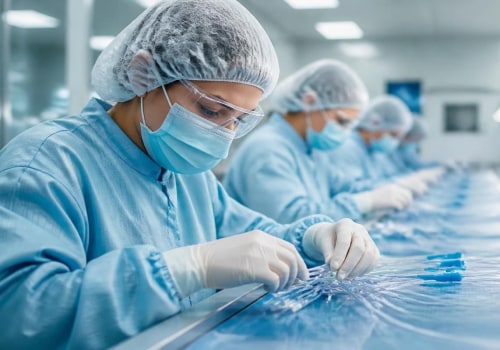
The field of medical device manufacturing plays a crucial role in modern healthcare, providing essential tools that enhance patient care and improve outcomes. From simple instruments like thermometers to complex machinery such as MRI machines, the spectrum of medical devices is vast and varied. Understanding the intricacies of this industry not only sheds light on the devices themselves but also highlights their significance in diagnosing, monitoring, and treating medical conditions. In the United States, the manufacturing of medical devices is a highly regulated sector, ensuring that products meet stringent safety and efficacy standards. This rigorous oversight is vital, as the devices produced can directly impact patient health and well-being.
The importance of these devices cannot be overstated; they are integral to the healthcare system, facilitating advancements in treatment methodologies and enabling healthcare professionals to deliver high-quality care. As we delve deeper into the world of medical devices, it becomes evident that they are not merely tools but rather lifelines that bridge the gap between illness and recovery. This article will explore various types of medical devices manufactured in the U.S., providing insights into their functions and the innovations driving their development. By understanding these devices, we can appreciate their role in shaping the future of healthcare.
Types of Medical Devices Manufactured in the U.S.
The landscape of medical device manufacturing in the United States is diverse, encompassing a wide range of products designed to improve patient care and enhance medical outcomes. These devices can be categorized based on their intended use, complexity, and regulatory requirements.- Diagnostic Devices: These devices are essential for identifying diseases and conditions.
Common examples include:
- X-ray machines
- Ultrasound equipment
- Magnetic Resonance Imaging (MRI) machines
- Treatment Devices: These are used to treat medical conditions and can range from simple to complex technologies. Examples include:
- Surgical instruments
- Infusion pumps
- Radiation therapy equipment
- Monitoring Devices: These devices help in tracking patient health metrics over time. Common types include:
- Heart rate monitors
- Blood glucose meters
- Pulse oximeters
- Therapeutic Devices: Designed to provide therapeutic benefits, these devices include:
- Pacemakers
- Orthopedic implants
- Prosthetic limbs
- Assistive Devices: These devices aid individuals with disabilities or impairments. Examples are:
- Wheelchairs
- Cochlear implants
- Hearing aids
- Class I: Low-risk devices that are subject to the least regulatory control, such as bandages and handheld surgical instruments.
- Class II: Moderate-risk devices that require more regulatory controls to ensure safety and effectiveness, including infusion pumps and diagnostic imaging systems.
- Class III: High-risk devices that require premarket approval due to their potential impact on patient health, such as implantable pacemakers and heart valves.
meet stringent safety and efficacy standards, ultimately protecting patients and healthcare providers alike.
Diagnostic Devices
Diagnostic devices play a crucial role in modern healthcare, enabling healthcare professionals to detect, diagnose, and monitor various medical conditions. These devices encompass a wide range of technologies, from imaging equipment to laboratory instruments, each serving a unique purpose in patient care.Examples of Diagnostic Devices
- X-ray machines: These devices use radiation to create images of the inside of the body, helping to identify fractures, infections, and tumors.
- Magnetic Resonance Imaging (MRI): MRI machines utilize strong magnets and radio waves to produce detailed images of organs and tissues, crucial for diagnosing neurological disorders and soft tissue injuries.
- Computed Tomography (CT) scanners: CT scans combine X-ray images taken from different angles to create cross-sectional views of bones and soft tissues, aiding in the detection of cancers and internal injuries.
- Ultrasound machines: These devices use sound waves to visualize internal organs and monitor fetal development during pregnancy.
- Blood glucose monitors: Essential for diabetes management, these handheld devices allow patients to check their blood sugar levels quickly.
- Electrocardiograms (ECG): ECG machines record the electrical activity of the heart, helping to diagnose arrhythmias and other cardiac conditions.
Furthermore, advancements in medical device manufacturing have led to more accurate and efficient diagnostic tools, enhancing the overall quality of care.In summary, diagnostic devices are indispensable in the healthcare landscape. Their ability to provide critical information about a patient's health status underscores their value in effective disease management and prevention strategies.
Therapeutic Devices
Therapeutic devices play a crucial role in the medical field, providing essential support for treatment and recovery. These devices are designed to assist healthcare professionals in delivering effective care, enhancing patient outcomes, and improving overall quality of life.Among the most common types of therapeutic medical devices are:- Surgical Instruments: These tools are vital for performing various surgical procedures. Examples include scalpels, forceps, and suturing devices.
Each instrument is specifically designed to facilitate precision and safety during operations.
- Infusion Pumps: Used to deliver fluids, medications, or nutrients directly into a patient's bloodstream, infusion pumps are critical in managing conditions such as diabetes or cancer. They ensure accurate dosing and continuous delivery, which is essential for patient stability.
- Respiratory Devices: Devices like ventilators and nebulizers help patients with breathing difficulties. They provide necessary support for those suffering from chronic respiratory diseases or during surgical recovery.
- Dialysis Machines: For patients with kidney failure, dialysis machines perform the essential function of filtering waste from the blood. This device is a lifeline for many individuals requiring regular treatment.
The innovation in medical device manufacturing continues to evolve, leading to more advanced therapeutic devices that enhance patient care.In summary, therapeutic devices encompass a wide range of tools that are integral to modern medicine. Their development not only aids in immediate treatment but also contributes significantly to long-term patient recovery and health management.
Monitoring Devices
Monitoring devices play a crucial role in the landscape of medical device manufacturing, particularly in the management of chronic diseases. These devices empower patients and healthcare providers by offering real-time data that can significantly influence treatment decisions.One of the most common types of monitoring devices is the heart rate monitor. These devices are essential for individuals with cardiovascular conditions, allowing them to track their heart rate during various activities.By providing continuous feedback, heart rate monitors help patients maintain optimal levels of physical exertion and avoid potential health risks.Another vital category is glucose meters, which are indispensable for diabetes management. These handheld devices enable patients to measure their blood sugar levels quickly and accurately. Regular monitoring helps individuals make informed decisions about their diet, exercise, and medication, ultimately leading to better health outcomes.
Wearable Health Technology
The rise of wearable health technology has transformed how monitoring devices are utilized. Smartwatches and fitness trackers now come equipped with advanced sensors that can monitor heart rate, sleep patterns, and even blood oxygen levels.This integration of technology into daily life encourages proactive health management and fosters a greater awareness of personal health metrics.
Remote Patient Monitoring
Remote patient monitoring (RPM) is another significant advancement in the field of medical devices. RPM systems allow healthcare providers to monitor patients' vital signs from afar, reducing the need for frequent in-person visits. This is particularly beneficial for elderly patients or those with mobility issues, as it enhances accessibility to healthcare services while ensuring continuous oversight.In conclusion, monitoring devices such as heart rate monitors and glucose meters are integral to chronic disease management. With advancements in wearable technology and remote patient monitoring, these devices not only improve patient outcomes but also enhance the overall efficiency of healthcare delivery.Assistive Devices
Assistive devices play a crucial role in enhancing the quality of life for individuals with disabilities.These devices are designed to aid individuals in performing daily activities, thereby promoting independence and improving overall well-being.Some common examples of assistive medical devices include:
- Wheelchairs: These mobility aids allow individuals with limited mobility to navigate their environments more easily.
- Prosthetics: Artificial limbs that replace missing body parts, enabling users to regain functionality and participate in various activities.
- Hearing aids: Devices that amplify sound for individuals with hearing impairments, facilitating better communication.
- Communication devices: Tools such as speech-generating devices that assist those with speech difficulties in expressing themselves.
- Adaptive utensils: Specialized tools designed to help individuals with limited hand function eat independently.
By understanding the various types of assistive technology available, we can better appreciate their importance in supporting individuals with disabilities.
Regulatory Landscape for Medical Device Manufacturing
The regulatory landscape for medical device manufacturing in the United States is primarily governed by the Food and Drug Administration (FDA). The FDA's role is crucial in ensuring that medical devices are safe and effective for public use. Understanding the regulatory framework is essential for manufacturers to navigate the complexities of compliance.Medical device regulations
are categorized based on the level of risk associated with the device. The FDA classifies devices into three categories:- Class I: Low-risk devices that are subject to the least regulatory control.
Examples include bandages and handheld surgical instruments.
- Class II: Moderate-risk devices that require greater regulatory controls to ensure safety and effectiveness. Examples include infusion pumps and X-ray machines.
- Class III: High-risk devices that require premarket approval (PMA) due to their potential to cause significant harm. Examples include pacemakers and implantable defibrillators.
This process can be lengthy and costly, often taking several years before a device can reach the market.Compliance in medical device manufacturing extends beyond FDA approval. Manufacturers must adhere to Good Manufacturing Practices (GMP), which encompass quality management systems, design controls, and post-market surveillance. Regular audits and inspections by the FDA ensure ongoing compliance with these standards.In summary, understanding the regulatory landscape is vital for manufacturers in the medical device industry. By navigating these regulations effectively, companies can not only ensure compliance but also enhance their reputation and trustworthiness in a competitive market.
Future Trends in Medical Device Manufacturing
The landscape of medical device manufacturing is rapidly evolving, driven by advancements in technology and changing healthcare needs.As we look to the future, several key trends are emerging that promise to reshape the industry.
Integration of Artificial Intelligence
One of the most significant trends is the integration of artificial intelligence (AI) into medical devices. AI algorithms can enhance diagnostic accuracy, streamline workflows, and improve patient outcomes. For instance, AI-powered imaging devices can analyze scans with remarkable precision, assisting healthcare professionals in making informed decisions faster.Personalized Medicine
The shift towards personalized medicine is another critical trend in medical device manufacturing. Devices that can be tailored to individual patient needs are becoming increasingly prevalent.This includes wearable technology that monitors health metrics in real-time and adjusts treatment plans based on data collected from the user.
3D Printing Innovations
3D printing is revolutionizing the way medical devices are produced. This technology allows for rapid prototyping and customization of devices, enabling manufacturers to create complex structures that were previously impossible to achieve. From prosthetics to surgical instruments, 3D printing offers a level of personalization that enhances patient care.Regulatory Changes and Compliance
As innovations emerge, regulatory bodies are adapting to ensure safety and efficacy in new devices. Manufacturers must stay abreast of these changes to maintain compliance while fostering innovation.This dynamic environment encourages collaboration between manufacturers and regulators to streamline approval processes without compromising patient safety.
Sustainability in Manufacturing
Lastly, sustainability is becoming a focal point in medical device manufacturing. Companies are increasingly adopting eco-friendly practices, such as using biodegradable materials and reducing waste during production. This trend not only addresses environmental concerns but also resonates with consumers who prioritize sustainability.In conclusion, the future of medical device manufacturing is bright, characterized by technological advancements and a commitment to improving patient care through innovation. As these trends continue to develop, they will undoubtedly lead to more effective and personalized healthcare solutions.FAQs about Medical Device Manufacturing
Medical device manufacturing is a complex field that often raises numerous questions.Here are some of the most frequently asked questions regarding this industry:
- What types of medical devices are commonly manufactured in the U.S.? The U.S. is known for producing a wide range of medical devices, including diagnostic equipment like MRI machines, surgical instruments, implantable devices such as pacemakers, and monitoring devices like blood glucose meters.
- How are medical devices regulated? In the United States, the Food and Drug Administration (FDA) oversees the regulation of medical devices. Manufacturers must comply with strict guidelines to ensure safety and efficacy before their products can enter the market.
- What is the process of medical device manufacturing? The manufacturing process typically involves several stages, including design and development, prototyping, testing for compliance with regulatory standards, and finally, mass production. Each stage requires meticulous attention to detail to ensure quality.
- Are there different classifications for medical devices? Yes, medical devices are classified into three categories by the FDA: Class I (low risk), Class II (moderate risk), and Class III (high risk).
Each class has different regulatory requirements based on the level of risk associated with the device.
- What role does technology play in medical device manufacturing? Technology is integral to modern medical device manufacturing. Innovations such as 3D printing, robotics, and advanced materials are transforming how devices are designed and produced, leading to improved patient outcomes.