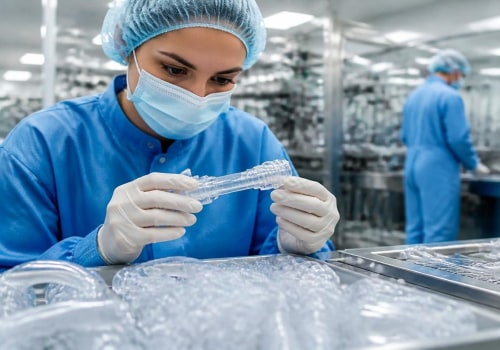
The landscape of medical device manufacturing is a complex and dynamic field that plays a crucial role in modern healthcare. Medical devices range from simple tools like tongue depressors to sophisticated technologies such as robotic surgical systems. Each device is designed with the primary goal of improving patient outcomes, enhancing the quality of care, and ensuring safety during medical procedures. Understanding the intricacies of this manufacturing process is essential for grasping how these devices are developed, tested, and brought to market. At its core, medical device manufacturing involves a series of meticulously planned stages, including design, prototyping, testing, and regulatory approval.
Each stage is critical to ensure that the final product meets stringent safety and efficacy standards. The importance of these devices cannot be overstated; they are integral to diagnosing, monitoring, and treating various health conditions. As technology advances, the demand for innovative medical devices continues to grow, making it imperative for manufacturers to stay ahead of industry trends and regulatory requirements. This introductory overview sets the stage for a deeper exploration into the role of clinical trials within the medical device manufacturing process. Clinical trials serve as a pivotal mechanism for validating the safety and effectiveness of new devices before they reach healthcare providers and patients.
By understanding how clinical trials fit into the broader context of medical device development, stakeholders can appreciate their significance in ensuring that only the most reliable and effective products are introduced into the market.
What Are Clinical Trials?
Clinical trials are systematic investigations designed to evaluate the safety and efficacy of medical devices, drugs, or treatment protocols. These trials are essential in the medical device manufacturing process as they provide the necessary data to support regulatory approvals and ensure that products meet safety standards before reaching the market.Types of Clinical Trials
Clinical trials can be categorized into several types, each serving a distinct purpose:- Interventional Trials: These involve participants receiving one or more interventions (such as a medical device) to assess its effects on health outcomes.
- Observational Trials: In these studies, researchers observe participants without assigning any specific interventions. This type helps gather real-world data on device performance.
- Randomized Controlled Trials (RCTs): Participants are randomly assigned to either the intervention group or a control group, allowing for a direct comparison of outcomes.
- Longitudinal Studies: These trials follow participants over an extended period to observe long-term effects and outcomes of a medical device.
Purpose of Clinical Trials
The primary purposes of clinical trials in the context of medical device manufacturing include:- Safety Assessment: Ensuring that the device does not pose any significant risks to patients.
- Efficacy Evaluation: Determining whether the device performs as intended and achieves its desired outcomes.
- Regulatory Compliance: Providing evidence required by regulatory bodies, such as the FDA, for market approval.
- Market Readiness: Gathering data that can inform marketing strategies and product improvements based on user feedback.
The Importance of Clinical Trials in Medical Device Development
Clinical trials are a critical component in the medical device manufacturing process, serving as a bridge between initial design and market approval.These trials are essential for assessing the safety and efficacy of medical devices before they reach consumers. Without rigorous testing, manufacturers cannot ensure that their products will perform as intended in real-world scenarios.The primary role of clinical trials in device development includes:
- Validation of Safety: Clinical trials help identify any potential risks associated with a medical device. By monitoring participants closely, researchers can detect adverse effects and determine whether the benefits outweigh the risks.
- Assessment of Efficacy: These trials provide evidence that a device performs its intended function effectively. This is crucial for gaining regulatory approval and instilling confidence among healthcare providers and patients.
- Regulatory Compliance: Regulatory bodies such as the FDA require comprehensive clinical trial data to evaluate new devices.
Successful completion of these trials is often a prerequisite for market entry.
- Market Acceptance: Positive clinical trial results can enhance the credibility of a medical device, making it more appealing to healthcare professionals and patients alike.
Regulatory Requirements for Clinical Trials in Medical Device Manufacturing
In the realm of medical device manufacturing, understanding the regulatory requirements for clinical trials is crucial for ensuring compliance and successful product approval.The U.S. Food and Drug Administration (FDA) plays a pivotal role in this process, establishing guidelines that manufacturers must adhere to when conducting clinical trials.The FDA categorizes medical devices into three classes based on their risk levels: Class I, Class II, and Class III. Each class has different regulatory requirements:
- Class I devices : Generally considered low-risk, these devices are subject to the least regulatory control. Most do not require clinical trials but must comply with general controls.
- Class II devices : These moderate-risk devices typically require premarket notification, known as a 510(k).
Clinical trials may be necessary to demonstrate substantial equivalence to a predicate device.
- Class III devices : High-risk devices usually require premarket approval (PMA). This process often involves extensive clinical trials to provide evidence of safety and effectiveness.
GCP guidelines ensure that trials are conducted ethically and that data collected is credible and accurate. Adhering to these standards not only facilitates regulatory approval but also enhances the credibility of the research findings.In summary, navigating the regulatory landscape for clinical trials in medical device manufacturing is complex but vital. Manufacturers must understand the specific requirements set forth by the FDA for each device class, prepare thorough IDE applications, and comply with GCP guidelines to ensure successful outcomes in their clinical research endeavors.
Phases of Clinical Trials in Medical Device Manufacturing
Clinical trials are a critical component of the medical device manufacturing process, serving as a systematic approach to evaluate the safety and effectiveness of new devices. These trials are typically divided into four distinct phases, each with specific objectives and methodologies.Phase I: Safety and Tolerability
The first phase of clinical trials focuses on assessing the safety and tolerability of the medical device.This phase usually involves a small group of healthy volunteers or patients. The primary goal is to determine how the device interacts with the human body, identifying any potential side effects or adverse reactions. Data collected during this phase helps manufacturers refine their devices before moving on to larger studies.
Phase II: Efficacy and Optimal Dosing
Once safety is established, Phase II trials aim to evaluate the efficacy of the device in a larger patient population. This phase often includes various dosages or configurations to identify the optimal settings for effectiveness.Researchers gather data on how well the device performs its intended function and monitor for any additional side effects that may arise.
Phase III: Comparative Effectiveness
Phase III trials are pivotal in the medical device manufacturing process, as they involve large-scale testing across diverse populations. These trials compare the new device against existing treatments or placebo controls to establish its relative effectiveness. Successful completion of Phase III is often required for regulatory approval, as it provides comprehensive evidence of the device's benefits and risks.Phase IV: Post-Market Surveillance
The final phase, Phase IV, occurs after a device has received regulatory approval and is available on the market. This phase involves ongoing monitoring to assess long-term effects and performance in real-world settings.Manufacturers may conduct additional studies to gather data on rare side effects or to explore new applications for the device.Understanding these phases is crucial for stakeholders in medical device manufacturing, as they outline the rigorous testing process that ensures devices are safe and effective for public use.
Challenges Faced During Clinical Trials for Medical Devices
Clinical trials for medical devices are essential for ensuring safety and efficacy, but they come with a unique set of challenges that can complicate the testing process. Understanding these obstacles is crucial for manufacturers aiming to navigate the regulatory landscape effectively.- Recruitment of Participants: One of the primary challenges is recruiting a sufficient number of participants who meet the specific criteria for the trial. This can be particularly difficult for niche medical devices that target rare conditions.
- Regulatory Compliance: Adhering to stringent regulatory requirements set by bodies such as the FDA can be daunting. Manufacturers must ensure that their trials comply with Good Clinical Practice (GCP) guidelines, which can vary significantly depending on the device type and intended use.
- Funding and Resources: Clinical trials can be expensive and resource-intensive.
Securing adequate funding is often a significant hurdle, especially for smaller companies or startups in the medical device manufacturing sector.
- Data Management: Collecting and managing data during clinical trials poses its own set of challenges. Ensuring data integrity and accuracy is vital, as any discrepancies can lead to delays in approval or even trial failure.
- Patient Retention: Keeping participants engaged throughout the trial duration is critical. Dropout rates can skew results and prolong timelines, making it essential to implement strategies that enhance participant commitment.
By proactively tackling these issues, companies can streamline their clinical trial processes and enhance their chances of successful product approval.
Case Studies: Successful Clinical Trials in Medical Device Manufacturing
Clinical trials are pivotal in the medical device manufacturing process, serving as a bridge between innovative concepts and market-ready products. Several case studies illustrate how successful clinical trials have led to groundbreaking medical devices that have transformed patient care.Case Study 1: The HeartMate 3 Left Ventricular Assist Device
The HeartMate 3, a left ventricular assist device (LVAD), underwent rigorous clinical trials that demonstrated its safety and efficacy for patients with advanced heart failure. In the MOMENTUM 3 trial, over 1,000 patients were enrolled, showcasing a significant reduction in adverse events compared to previous models. This success not only validated the device's design but also paved the way for its approval by the FDA, ultimately improving the quality of life for thousands of patients.Case Study 2: The Medtronic MiniMed 670G System
The Medtronic MiniMed 670G, an insulin delivery system for diabetes management, was developed through extensive clinical trials that highlighted its ability to automate insulin delivery.The pivotal trial involved more than 100 participants and demonstrated improved glycemic control with fewer hypoglycemic events. The positive outcomes from these trials were instrumental in securing FDA approval and establishing the device as a standard of care for diabetes management.
Lessons Learned from Clinical Trial Successes
- Robust Design and Testing: Successful clinical trials often stem from thorough preclinical testing and iterative design processes that address potential issues before human trials.
- Patient-Centric Approach: Engaging patients in the trial process ensures that devices meet real-world needs and enhances participant retention.
- Regulatory Collaboration: Early and ongoing communication with regulatory bodies can streamline the approval process and clarify requirements.
Future Trends in Clinical Trials and Medical Device Manufacturing
As the landscape of medical device manufacturing evolves, so too do the methodologies employed in clinical trials. Emerging trends are reshaping how these trials are conducted, enhancing efficiency and effectiveness in bringing innovative devices to market.Innovations in Medical Device Testing
One significant trend is the integration of digital health technologies into clinical trials.Wearable devices and mobile health applications are increasingly being utilized to collect real-time data from participants. This not only improves patient engagement but also allows for more comprehensive data analysis, leading to better insights into device performance.
The Rise of Adaptive Trials
Adaptive trial designs are gaining traction in the realm of medical device manufacturing. These trials allow for modifications to be made based on interim results, enabling manufacturers to pivot strategies quickly and efficiently. This flexibility can significantly reduce the time required for regulatory approval and market entry.Remote Monitoring and Telehealth
The COVID-19 pandemic has accelerated the adoption of remote monitoring and telehealth solutions in clinical trials.By allowing participants to engage from their homes, manufacturers can broaden their reach and include diverse populations, which is crucial for obtaining robust data. This trend is likely to continue as stakeholders recognize the benefits of convenience and accessibility.
Artificial Intelligence and Machine Learning
Artificial intelligence (AI) and machine learning (ML) are also poised to revolutionize clinical trials in medical device manufacturing. These technologies can analyze vast amounts of data quickly, identifying patterns that may not be evident through traditional analysis methods. This capability can enhance patient selection, optimize trial designs, and predict outcomes more accurately.In conclusion, the future of clinical trials in medical device manufacturing is bright, driven by technological advancements that promise to streamline processes and improve outcomes.As these trends continue to develop, they will play a crucial role in ensuring that innovative medical devices reach patients safely and effectively.
Conclusion: The Integral Role of Clinical Trials in Advancing Medical Devices
In conclusion, clinical trials are a crucial component of the medical device manufacturing process, serving as the bridge between innovative concepts and market-ready products. Throughout this article, we have explored how these trials not only ensure the safety and efficacy of medical devices but also provide invaluable data that informs design improvements and regulatory compliance.The rigorous testing protocols involved in clinical trials help manufacturers identify potential risks and address them proactively. This not only protects patients but also enhances the credibility of the device in a competitive market. Furthermore, successful clinical trials can significantly expedite the regulatory approval process, allowing manufacturers to bring their products to market more swiftly.Moreover, the insights gained from clinical trials extend beyond mere compliance; they foster innovation.By understanding how devices perform in real-world settings, manufacturers can refine their products to better meet patient needs and adapt to evolving healthcare landscapes.
- Safety and Efficacy: Clinical trials validate that devices perform as intended without causing harm.
- Regulatory Compliance: They provide essential data required for obtaining necessary approvals from regulatory bodies.
- Market Readiness: Successful trials enhance a device's marketability and consumer trust.
- Innovation Catalyst: Feedback from trials drives continuous improvement and innovation in device design.