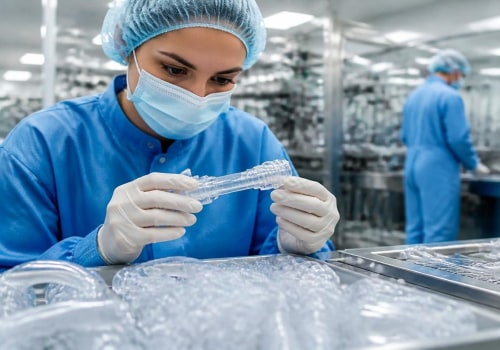
The landscape of medical device manufacturing is undergoing a profound transformation, driven by rapid advancements in technology and evolving healthcare needs. As we look toward the future, it becomes increasingly important for stakeholders in the healthcare industry to understand the emerging trends that are shaping this dynamic field. From innovative materials to smart technologies, the future of medical devices promises to enhance patient care and streamline manufacturing processes. One of the most significant trends is the integration of healthcare innovation with digital technologies. The rise of the Internet of Things (IoT) and artificial intelligence (AI) is enabling manufacturers to create devices that not only monitor health conditions in real-time but also provide actionable insights for both patients and healthcare providers.
This shift towards connected devices is not just about improving functionality; it also emphasizes the importance of data security and patient privacy, which are critical considerations in today’s healthcare environment. Moreover, sustainability is becoming a key focus in medical device manufacturing. As environmental concerns grow, manufacturers are exploring eco-friendly materials and processes that minimize waste and reduce their carbon footprint. This trend not only aligns with global sustainability goals but also resonates with consumers who are increasingly making choices based on environmental impact. Understanding these trends is essential for anyone involved in the healthcare sector, as they will dictate how medical devices are designed, produced, and utilized in the coming years. By staying informed about these developments, stakeholders can better position themselves to adapt to changes and seize new opportunities in this ever-evolving market.
Technological Advancements in Medical Device Manufacturing
The landscape of medical device manufacturing is undergoing a significant transformation, driven by rapid technological advancements.These innovations are not only enhancing the efficiency of production processes but also improving the quality and customization of medical devices.
Automation in Manufacturing
One of the most impactful trends is the rise of automation. Automated systems are increasingly being integrated into manufacturing lines, allowing for higher precision and reduced human error. Robotics play a crucial role in this shift, performing repetitive tasks with speed and accuracy that surpasses manual labor. This not only streamlines production but also enables manufacturers to scale operations quickly in response to market demands.3D Printing in Medical Devices
3D printing is another groundbreaking technology reshaping the industry.This method allows for the rapid prototyping and production of complex medical devices tailored to individual patient needs. For instance, custom implants and prosthetics can be designed using patient-specific data, resulting in better fit and functionality. The ability to produce these devices on-demand reduces waste and inventory costs, making it a sustainable option for manufacturers.
Integration of Smart Technologies
The integration of smart technologies into medical devices is also gaining traction. Devices equipped with sensors and connectivity features can collect real-time data, enabling healthcare providers to monitor patient conditions remotely.This shift towards smart medical devices not only enhances patient care but also opens new avenues for data analytics in manufacturing processes.In conclusion, the future of medical device manufacturing is being shaped by these technological advancements. Automation, 3D printing, and smart technologies are not just trends; they represent a fundamental shift towards more efficient, personalized, and data-driven manufacturing practices that will define the industry for years to come.
Regulatory Changes and Compliance Challenges
The landscape of medical device manufacturing is undergoing significant transformation, primarily driven by evolving regulatory changes and the increasing complexity of compliance challenges. As technology advances, regulatory bodies are adapting their frameworks to ensure safety and efficacy, which presents both opportunities and hurdles for manufacturers.FDA compliance
remains a cornerstone of the regulatory environment in the United States. The FDA has been proactive in updating its guidelines to accommodate innovations such as digital health technologies and artificial intelligence in medical devices.Manufacturers must stay abreast of these changes to avoid costly delays in product approvals. For instance, the introduction of the Digital Health Innovation Action Plan has streamlined the process for software-based devices, but it also requires manufacturers to demonstrate rigorous testing and validation.Moreover, global standards in medical devices are becoming increasingly harmonized, yet regional differences persist. The International Organization for Standardization (ISO) has established guidelines that many countries adopt; however, compliance with local regulations can vary significantly. For example, while the European Union's Medical Device Regulation (MDR) emphasizes post-market surveillance and clinical evaluations, other regions may have less stringent requirements.
This discrepancy necessitates that manufacturers develop a comprehensive understanding of both local and international regulations.
- Key Compliance Challenges:
- Documentation Requirements: Maintaining thorough documentation is essential for compliance but can be resource-intensive.
- Post-Market Surveillance: Continuous monitoring of device performance after market entry is crucial for compliance with evolving regulations.
- Training and Education: Ensuring that staff are well-versed in regulatory requirements is vital for maintaining compliance.
- The Importance of Proactive Compliance Strategies:
- Implementing a robust quality management system can streamline compliance processes.
- Engaging with regulatory consultants can provide insights into navigating complex regulations.
- Regular audits and assessments can help identify potential compliance gaps before they become issues.
Sustainability and Eco-Friendly Practices
The landscape of medical device manufacturing is undergoing a significant transformation as sustainability becomes a central focus. With increasing awareness of environmental issues, manufacturers are adopting sustainable medical device manufacturing practices that not only comply with regulations but also resonate with eco-conscious consumers.One of the key trends in this area is the use of eco-friendly materials. Manufacturers are exploring biocompatible and biodegradable materials that reduce environmental impact without compromising product safety or efficacy. For instance, the shift from traditional plastics to plant-based polymers is gaining traction, offering a more sustainable alternative for devices such as syringes and packaging.Additionally, green manufacturing trends emphasize energy efficiency and waste reduction.Companies are investing in advanced technologies that minimize energy consumption during production processes. This includes the implementation of renewable energy sources, such as solar and wind power, to reduce carbon footprints.
- Life Cycle Assessment (LCA): Many manufacturers are now conducting LCAs to evaluate the environmental impact of their products from inception to disposal. This holistic approach helps identify areas for improvement and encourages sustainable design practices.
- Recycling Programs: Establishing take-back programs for used devices allows manufacturers to reclaim materials and reduce landfill waste. This not only supports sustainability but also fosters a circular economy within the healthcare sector.
- Regulatory Compliance: As governments and regulatory bodies increasingly prioritize sustainability, manufacturers must adapt to new guidelines that promote eco-friendly practices.
Compliance not only enhances brand reputation but also opens up new market opportunities.
The Role of Data Analytics and AI in Manufacturing Processes
The integration of data analytics and artificial intelligence (AI) in medical device manufacturing is revolutionizing the industry, driving efficiency and innovation. As manufacturers increasingly rely on data-driven insights, the ability to analyze vast amounts of information has become crucial for optimizing production processes.Data Analytics in Healthcare
- Predictive analytics plays a pivotal role in forecasting demand for medical devices, allowing manufacturers to adjust their production schedules accordingly.
- By leveraging historical data, companies can identify trends and patterns that inform design improvements and enhance product quality.
- Data analytics also aids in regulatory compliance by ensuring that manufacturing processes meet stringent industry standards.
AI in Medical Device Manufacturing
- AI algorithms can analyze real-time data from manufacturing equipment, predicting potential failures before they occur, thus minimizing downtime.
- Machine learning models can optimize supply chain logistics, ensuring that materials are available when needed without overstocking.
- AI-driven quality control systems can detect defects during the manufacturing process, significantly reducing waste and improving overall product reliability.
The Future of Predictive Analytics for Devices
- The future of predictive analytics in medical device manufacturing lies in its ability to enhance patient outcomes through personalized devices tailored to individual needs.
- As more devices become connected through the Internet of Things (IoT), the data generated will provide deeper insights into device performance and user behavior.
- This wealth of information will enable manufacturers to innovate continuously, adapting their products to meet evolving healthcare demands.
Patient-Centric Design and Customization Trends
In recent years, the landscape of medical device manufacturing has been significantly influenced by the shift towards patient-centric design.This approach prioritizes the needs and preferences of patients, ensuring that devices are not only functional but also enhance the overall user experience. As healthcare becomes increasingly personalized, manufacturers are recognizing the importance of designing products that cater to individual patient requirements.
Customization in healthcare products
is emerging as a key trend, allowing for tailored solutions that address specific medical conditions and patient lifestyles. For instance, devices such as prosthetics and orthotics can now be customized to fit the unique anatomy of each patient, improving comfort and usability. This level of personalization not only boosts patient satisfaction but also encourages adherence to treatment plans.Moreover, advancements in technology have made it easier for manufacturers to implement customization.3D printing, for example, enables rapid prototyping and production of bespoke medical devices at a lower cost. This technology allows for quick adjustments based on patient feedback, fostering a more collaborative relationship between patients and healthcare providers.Another critical aspect of user experience in medical devices is the integration of intuitive interfaces and user-friendly designs. Devices that are easy to operate can significantly reduce the learning curve for patients, particularly for those with chronic conditions who rely on these tools daily. Manufacturers are increasingly investing in research to understand how patients interact with their devices, leading to innovations that prioritize usability.In conclusion, the trend towards patient-centric design and customization in medical device manufacturing is reshaping the industry.
By focusing on individual needs and enhancing user experience, manufacturers can create products that not only meet regulatory standards but also improve health outcomes and patient satisfaction.
Global Market Dynamics and Competitive Landscape
The global medical device manufacturing landscape is undergoing significant transformation, driven by various market dynamics and competitive forces. As healthcare systems evolve, manufacturers must adapt to emerging trends that shape their strategies and operations.One of the most notable trends is the increasing demand for minimally invasive procedures. Patients and healthcare providers are gravitating towards devices that offer quicker recovery times and reduced hospital stays. This shift is prompting manufacturers to innovate and develop advanced technologies, such as robotic-assisted surgical systems and smart implants.Additionally, the rise of digital health technologies is reshaping the competitive landscape.The integration of software with traditional medical devices is creating opportunities for manufacturers to enhance patient monitoring and data collection. Companies that leverage IoT (Internet of Things) capabilities can provide real-time insights, improving patient outcomes and operational efficiency.Emerging markets are also playing a crucial role in the growth of the medical device sector. Regions such as Asia-Pacific and Latin America are witnessing increased healthcare spending and a growing middle class, leading to higher demand for medical devices. Manufacturers are strategically positioning themselves to tap into these markets by establishing local partnerships and adapting products to meet regional needs.The competitive landscape in healthcare manufacturing is intensifying as established players face challenges from new entrants and startups.
These smaller companies often bring innovative solutions that disrupt traditional business models. To remain competitive, established manufacturers must focus on research and development, invest in cutting-edge technologies, and enhance their supply chain efficiencies.In conclusion, understanding the market dynamics affecting medical device manufacturing is essential for stakeholders aiming to navigate this complex environment. By staying attuned to global trends, competition, and emerging markets, manufacturers can better position themselves for future success.
Future Outlook: Predictions for Medical Device Manufacturing
The future of medical device manufacturing is poised for transformative changes driven by technological advancements, regulatory shifts, and evolving patient needs. As we look ahead, several key trends are expected to shape the landscape of this industry.1.Increased Adoption of Smart Technologies
One of the most significant trends is the integration of smart technologies into medical devices.Devices equipped with IoT (Internet of Things) capabilities will enable real-time monitoring and data collection, enhancing patient care and operational efficiency. This shift towards connected devices will facilitate better communication between patients and healthcare providers, leading to more personalized treatment plans.
2.Emphasis on Sustainability
As environmental concerns grow, the sustainability of medical device manufacturing processes will become a priority. Manufacturers are expected to adopt eco-friendly materials and practices, reducing waste and energy consumption. This trend not only aligns with global sustainability goals but also appeals to environmentally conscious consumers.3.Regulatory Evolution
The regulatory landscape for medical devices is continuously evolving.Future predictions indicate that regulatory bodies will implement more streamlined approval processes for innovative technologies, particularly those that demonstrate significant benefits in patient outcomes. This evolution will encourage faster market entry for groundbreaking devices.
4.Customization and Personalization
The demand for customized medical devices tailored to individual patient needs is on the rise. Advances in 3D printing technology will enable manufacturers to create bespoke solutions efficiently, enhancing patient satisfaction and outcomes.5.Focus on Cybersecurity
As medical devices become increasingly connected, the importance of cybersecurity cannot be overstated. Manufacturers will need to prioritize robust security measures to protect sensitive patient data from cyber threats, ensuring compliance with regulations and maintaining trust in their products.In conclusion, the future of medical device manufacturing is set to be defined by innovation, sustainability, and a patient-centric approach.By staying ahead of these trends, manufacturers can position themselves for success in an ever-evolving healthcare landscape.
Conclusion: Key Takeaways on Medical Device Manufacturing Trends
As we look towards the future of medical device manufacturing, several key trends are emerging that will significantly shape the industry. Understanding these trends is crucial for stakeholders aiming to remain competitive and innovative.- Technological Advancements: The integration of advanced technologies such as artificial intelligence, machine learning, and the Internet of Things (IoT) is revolutionizing medical device manufacturing. These technologies enhance product design, improve patient outcomes, and streamline production processes.
- Regulatory Changes: As the landscape of healthcare evolves, so too do the regulations governing medical devices. Staying informed about these changes is essential for compliance and ensuring market access.
- Sustainability Initiatives: There is a growing emphasis on sustainability within the industry.
Manufacturers are increasingly adopting eco-friendly practices and materials to reduce their environmental impact, which is becoming a significant factor in consumer choice.
- Personalized Medicine: The shift towards personalized medicine is influencing medical device manufacturing. Devices tailored to individual patient needs are becoming more prevalent, necessitating flexible manufacturing processes.
- Global Supply Chain Dynamics: The COVID-19 pandemic highlighted vulnerabilities in global supply chains. Future manufacturing strategies will likely focus on resilience and adaptability to mitigate risks associated with supply chain disruptions.