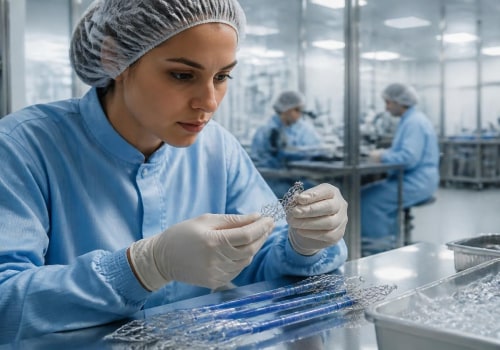
In the realm of medical device manufacturing, adherence to compliance and quality standards is not merely a regulatory obligation; it is a fundamental aspect that ensures patient safety and product efficacy. The medical device industry is governed by stringent regulations set forth by organizations such as the FDA, ISO, and other international bodies. These regulations are designed to safeguard public health by ensuring that devices are manufactured to the highest standards of quality and reliability. As such, understanding these compliance and quality standards is crucial for all employees involved in the manufacturing process. The significance of training employees on these standards cannot be overstated.
A well-trained workforce is essential for maintaining compliance with ever-evolving regulations and for fostering a culture of quality within the organization. Employees must be equipped with the knowledge and skills necessary to identify potential risks, implement quality control measures, and adhere to best practices throughout the manufacturing process. This not only minimizes the risk of costly recalls or legal issues but also enhances the overall reputation of the manufacturer in a highly competitive market. Moreover, as technology advances and new devices are developed, the landscape of medical device manufacturing continues to change. Continuous training programs that focus on compliance and quality standards help ensure that employees remain informed about the latest industry trends and regulatory updates.
By investing in comprehensive training initiatives, manufacturers can cultivate a knowledgeable workforce that is committed to excellence, ultimately leading to improved patient outcomes and greater trust from healthcare providers.
The Importance of Employee Training in Medical Device Manufacturing
In the medical device manufacturing industry, the significance of employee training cannot be overstated. As regulations become increasingly stringent and the demand for high-quality products rises, manufacturers must prioritize comprehensive training programs to ensure that their workforce is well-equipped to meet compliance and quality standards.Employee training
serves as a foundational element in mitigating risks associated with product defects and regulatory non-compliance. When employees are adequately trained, they are more likely to understand the intricacies of manufacturing processes, quality control measures, and the importance of adhering to industry regulations. This understanding not only enhances product quality but also fosters a culture of accountability and excellence within the organization.- Enhanced Compliance: Regular training ensures that employees are up-to-date with the latest regulations and standards set forth by governing bodies such as the FDA.
This reduces the likelihood of costly fines and recalls.
- Improved Quality Control: Well-trained employees are better equipped to identify potential issues during the manufacturing process, leading to fewer defects and higher overall product quality.
- Increased Efficiency: Training programs can streamline processes by teaching employees best practices, ultimately leading to increased productivity and reduced waste.
- Employee Retention: Investing in training demonstrates a commitment to employee development, which can enhance job satisfaction and reduce turnover rates.
Training Methods for Compliance and Quality Standards
In the realm of medical device manufacturing, ensuring compliance with regulatory standards and maintaining quality is paramount.Manufacturers employ a variety of training methods to equip employees with the necessary knowledge and skills.
- Classroom Training: Traditional classroom settings remain a staple for compliance training. Instructors present information on regulations, quality standards, and best practices, allowing for direct interaction and immediate feedback. This method is particularly effective for complex topics that require in-depth discussion.
- E-Learning: With advancements in technology, many manufacturers have adopted e-learning platforms. These online courses offer flexibility, allowing employees to learn at their own pace.
E-learning modules often include interactive elements such as quizzes and videos, which enhance engagement and retention of information.
- Hands-On Workshops: Practical experience is crucial in medical device manufacturing. Workshops provide employees with the opportunity to apply theoretical knowledge in real-world scenarios. These sessions often involve working with actual devices or simulations, reinforcing compliance and quality standards through practice.
- Simulations: Utilizing simulations can be particularly beneficial for training on compliance procedures. By creating realistic scenarios that mimic potential challenges in the manufacturing process, employees can practice their responses without the risk of real-world consequences.
This method helps build confidence and competence.
Developing a Comprehensive Training Program
Developing a comprehensive training program for medical device manufacturing is crucial to ensure that employees understand and adhere to compliance and quality standards. Here’s a step-by-step guide to creating an effective training program:- Assess Training Needs: Begin by evaluating the specific compliance and quality standards relevant to your organization. Identify gaps in knowledge and skills among employees through surveys, interviews, or performance reviews.
- Define Learning Objectives: Clearly outline what employees should know and be able to do after completing the training.
Objectives should align with regulatory requirements such as FDA guidelines and ISO standards.
- Select Training Methods: Choose appropriate training methods that cater to different learning styles. Options may include:
- Classroom Training: Traditional lectures and discussions led by experienced trainers.
- Online Modules: E-learning platforms that allow employees to learn at their own pace.
- Hands-On Workshops: Practical sessions where employees can apply their knowledge in real-world scenarios.
- Create Training Materials: Develop comprehensive materials such as manuals, presentations, and videos that cover essential topics related to compliance and quality assurance.
- Implement the Training Program: Schedule training sessions and ensure all employees participate. Consider using a mix of methods to enhance engagement and retention.
- Evaluate Effectiveness: After training completion, assess its effectiveness through quizzes, feedback forms, or practical assessments. This will help identify areas for improvement in future training sessions.
- Continuous Improvement: Compliance and quality standards evolve, so it’s essential to regularly update the training program.
Incorporate new regulations, technologies, and best practices into ongoing training initiatives.
Utilizing Technology in Training for Medical Device Manufacturing
In the realm of medical device manufacturing, leveraging technology for employee training has become increasingly vital. As compliance and quality standards evolve, manufacturers are turning to innovative solutions that enhance learning and retention.E-learning platforms
have emerged as a cornerstone of modern training programs. These platforms offer flexibility, allowing employees to access training materials at their convenience. This is particularly beneficial in the medical device sector, where employees may need to balance rigorous schedules with ongoing education.
E-learning modules can include interactive quizzes, video tutorials, and comprehensive assessments that ensure understanding of complex regulations and quality standards.Moreover, the integration of virtual reality (VR) training is revolutionizing how employees engage with their training. VR simulations provide immersive experiences that replicate real-world scenarios in a controlled environment. For instance, employees can practice assembling medical devices or navigating compliance protocols without the risk of errors that could occur in actual production settings. This hands-on approach not only boosts confidence but also enhances skill acquisition.Additionally, manufacturers are utilizing augmented reality (AR) tools to assist in on-the-job training.
AR can overlay digital information onto physical equipment, guiding employees through complex processes step-by-step. This real-time assistance helps reinforce learning and ensures adherence to quality standards during production.In conclusion, the adoption of technology in training programs for medical device manufacturing not only streamlines the learning process but also fosters a culture of compliance and quality assurance. By embracing e-learning platforms, VR, and AR technologies, manufacturers can equip their workforce with the necessary skills to meet industry demands effectively.
Measuring the Effectiveness of Training Programs
Measuring the effectiveness of training programs in medical device manufacturing is crucial for ensuring that employees are well-versed in compliance and quality standards. A systematic approach to evaluation can help organizations identify gaps in knowledge and improve training outcomes.1.Pre- and Post-Training Assessments
- Conducting assessments before and after training sessions allows manufacturers to gauge the knowledge gained by employees.
This method provides quantifiable data on the effectiveness of the training.
- Utilizing quizzes or practical evaluations can highlight specific areas where employees excel or struggle, guiding future training efforts.
2.Observation and Performance Metrics
- Monitoring employee performance on the job is another effective way to assess training impact. Observing how well employees apply their training in real-world scenarios can reveal whether they understand compliance protocols and quality standards.
- Key performance indicators (KPIs) such as defect rates, compliance audit results, and production efficiency can serve as benchmarks for evaluating the success of training initiatives.
3.Feedback Mechanisms
- Gathering feedback from trainees about the training content, delivery, and relevance can provide insights into its effectiveness. Surveys or focus groups can be instrumental in collecting this information.
- Encouraging open dialogue about the training experience fosters a culture of continuous improvement, allowing manufacturers to refine their programs based on employee input.
4.Long-Term Tracking
- To truly measure the effectiveness of compliance training, manufacturers should track employee performance over time. This long-term approach helps determine whether knowledge retention occurs and if employees consistently adhere to quality standards.
- Regular follow-ups and refresher courses can be implemented based on these evaluations to ensure ongoing compliance and skill enhancement.
Challenges in Training Employees on Compliance and Quality Standards
Training employees in the medical device manufacturing sector presents unique challenges that can hinder compliance and quality assurance efforts.Understanding these challenges is crucial for manufacturers aiming to maintain high standards.
- Complex Regulatory Environment: The medical device industry is governed by stringent regulations from bodies such as the FDA. Keeping employees updated on these evolving regulations can be daunting. Manufacturers often struggle to ensure that training materials reflect the latest compliance requirements.
- Diverse Workforce: Employees come from various backgrounds and may have different levels of understanding regarding compliance and quality standards. Tailoring training programs to meet these diverse needs can be challenging, leading to gaps in knowledge and application.
- Resource Constraints: Many manufacturers face budgetary limitations that restrict their ability to invest in comprehensive training programs.
This can result in inadequate training resources, which may compromise employee understanding of critical compliance issues.
- Retention of Information: The complexity of compliance and quality standards can make it difficult for employees to retain information. Without effective reinforcement strategies, knowledge may fade over time, leading to potential non-compliance.
- Regular Updates: Establish a system for regularly updating training materials to reflect changes in regulations and standards. This ensures that employees are always informed about the latest compliance requirements.
- Customized Training Programs: Develop tailored training programs that cater to the varying levels of expertise among employees. Utilizing different formats such as e-learning, workshops, and hands-on training can enhance understanding.
- Invest in Resources: Allocate sufficient resources for training initiatives.
This includes not only financial investment but also time for employees to engage in training without impacting production schedules.
- Reinforcement Techniques: Implement ongoing assessments and refresher courses to reinforce knowledge retention. Regular quizzes or practical evaluations can help ensure that employees remain compliant with quality standards.
Case Studies: Successful Training Programs in Medical Device Manufacturing
In the realm of medical device manufacturing, effective training programs are crucial for ensuring compliance with stringent regulations and maintaining high-quality standards. Here are some notable case studies that exemplify successful training initiatives in this sector.Case Study 1: MedTech Innovations
MedTech Innovations implemented a comprehensive training program that combined online modules with hands-on workshops. This dual approach allowed employees to learn theoretical concepts at their own pace while applying them in practical scenarios.The program emphasized regulatory compliance and quality assurance, resulting in a 30% reduction in compliance-related errors within the first year.
Case Study 2: BioHealth Solutions
BioHealth Solutions focused on continuous improvement by integrating feedback mechanisms into their training process. They conducted quarterly assessments to gauge employee understanding and retention of quality standards. By utilizing real-world examples and case studies during training sessions, they fostered a culture of accountability and awareness, leading to a significant increase in product quality ratings.Case Study 3: Precision Devices
Precision Devices adopted a mentorship model where experienced employees guided new hires through the complexities of medical device manufacturing. This hands-on approach not only accelerated the learning curve but also reinforced the importance of compliance and quality standards.As a result, they reported a 40% decrease in onboarding time and improved overall team performance.These case studies illustrate that successful training programs in the medical device manufacturing industry are characterized by their adaptability, integration of feedback, and emphasis on practical application. By learning from these examples, other manufacturers can enhance their own training initiatives to ensure compliance and uphold quality standards.