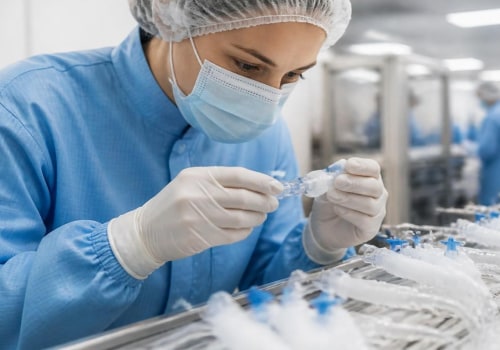
In the realm of medical device manufacturing, the process of sterilization is not merely a regulatory requirement; it is a critical component that ensures the safety and efficacy of medical products. As healthcare continues to evolve, the demand for devices that are free from contaminants has never been more pressing. This necessity stems from the potential risks associated with infections and complications that can arise from improperly sterilized instruments. Understanding the intricacies of sterilization methods is essential for manufacturers aiming to uphold the highest standards of patient care. The importance of sterilization in medical device manufacturing cannot be overstated.
It serves as a safeguard against microbial contamination, which can lead to severe health consequences for patients. With various sterilization techniques available—ranging from steam and ethylene oxide to radiation—manufacturers must select the appropriate method based on the device's material and intended use. Each technique has its own set of advantages and limitations, making it imperative for manufacturers to stay informed about advancements in sterilization technologies. Moreover, compliance with industry regulations and standards, such as those set forth by the FDA and ISO, underscores the necessity of effective sterilization practices. These guidelines not only help in mitigating risks but also enhance the credibility of manufacturers in a competitive market.
As we delve deeper into this topic, we will explore best practices that can optimize sterilization processes, ensuring that medical devices meet both safety requirements and consumer expectations.
Regulatory Standards for Sterilization
In the realm of medical device manufacturing, adhering to regulatory standards for sterilization is crucial to ensure the safety and efficacy of medical products. The primary regulatory body in the United States, the Food and Drug Administration (FDA), has established comprehensive guidelines that manufacturers must follow to validate their sterilization processes.The FDA's Quality System Regulation (QSR) outlines the requirements for sterilization, emphasizing the need for a robust validation process. This includes demonstrating that the sterilization method consistently achieves the desired sterility assurance level (SAL). Manufacturers are required to document their sterilization processes thoroughly, including:- Selection of Sterilization Method: Choosing an appropriate method such as ethylene oxide, steam, or radiation based on the device's material and intended use.
- Process Validation: Conducting studies to confirm that the chosen method effectively sterilizes the device under specified conditions.
- Monitoring and Control: Implementing ongoing monitoring of sterilization parameters to ensure consistent performance.
Specifically, ISO 13485 provides a framework for quality management systems in medical device manufacturing, including requirements for sterilization processes. This standard emphasizes risk management and requires manufacturers to assess potential risks associated with sterilization methods.Furthermore, adherence to ISO 11135 and ISO 11137, which focus on ethylene oxide and radiation sterilization respectively, is essential for ensuring that devices meet global safety standards. These ISO standards provide detailed guidelines on validation protocols, testing methods, and documentation practices necessary for compliance.In summary, understanding and implementing regulatory standards for sterilization in medical device manufacturing is vital. Compliance with FDA guidelines and ISO standards not only ensures product safety but also enhances marketability and trust among healthcare providers and patients alike.
Common Sterilization Methods Used in Medical Device Manufacturing
In the realm of medical device manufacturing, ensuring the sterility of products is paramount to patient safety and regulatory compliance.Various sterilization methods are employed, each with unique mechanisms, advantages, and limitations.
Ethylene Oxide Sterilization
Ethylene oxide (EtO) sterilization is a widely used method for heat-sensitive medical devices. This gas penetrates packaging and materials, effectively killing microorganisms. The process typically involves:- Preconditioning the items to remove moisture.
- Exposure to ethylene oxide gas in a controlled environment.
- Post-sterilization aeration to eliminate residual gas.
Steam Sterilization
Steam sterilization, or autoclaving, utilizes high-pressure steam to achieve sterilization. This method is suitable for heat-resistant materials and is characterized by:- Rapid cycle times compared to other methods.
- Cost-effectiveness and simplicity of operation.
Radiation Sterilization
Radiation sterilization, including gamma and electron beam radiation, is another effective method used in medical device manufacturing.This technique involves exposing products to ionizing radiation, which disrupts the DNA of microorganisms. Key benefits include:
- Ability to penetrate packaging without the need for heat or moisture.
- Short processing times and scalability for large batches.
Choosing the Right Sterilization Method for Your Devices
Choosing the right sterilization method for medical devices is crucial to ensure safety, efficacy, and compliance with regulatory standards. The selection process involves several key factors that must be carefully evaluated.- Device Type: Different types of medical devices require different sterilization approaches.
For instance, surgical instruments may tolerate high temperatures, making steam sterilization a viable option, while sensitive electronic devices may necessitate ethylene oxide (EtO) or hydrogen peroxide gas plasma.
- Materials Used: The materials from which a device is made significantly influence the choice of sterilization method. Materials like plastics may degrade under high heat, thus requiring gentler methods such as low-temperature sterilization. Always consult material compatibility charts to avoid damaging the device.
- Regulatory Requirements: Compliance with regulations set forth by organizations such as the FDA is non-negotiable. Each sterilization method has specific validation requirements that must be met to ensure that the process effectively eliminates all microbial life.
- Load Configuration: The way devices are arranged in the sterilizer can impact the effectiveness of the sterilization process.
Proper load configuration ensures that all surfaces are exposed to the sterilizing agent, reducing the risk of contamination.
- Cost and Efficiency: Consideration of operational costs and time efficiency is also essential. Some methods may be more expensive or time-consuming than others, impacting overall production timelines and budgets.
Validation and Verification of Sterilization Processes
In the realm of medical device manufacturing, the validation and verification of sterilization processes are critical to ensuring that products are safe for use. These processes not only confirm the effectiveness of sterilization methods but also ensure compliance with stringent industry standards.Validation of Sterilization Processes
- Definition: Validation is the documented evidence that a sterilization process consistently produces a sterile product.
This involves rigorous testing and analysis to confirm that the chosen method effectively eliminates all viable microorganisms.
- Methods: Common sterilization methods include steam, ethylene oxide, and radiation. Each method requires specific validation protocols tailored to the characteristics of the medical devices being sterilized.
- Regulatory Compliance: Adhering to guidelines set forth by organizations such as the FDA and ISO is essential. These regulations dictate the necessary validation studies, including biological indicators and physical monitoring.
Process Verification
- Importance: Verification is an ongoing process that ensures the sterilization method remains effective throughout production. It involves routine checks and balances to confirm that equipment is functioning correctly and that environmental conditions are optimal.
- Techniques: Techniques such as routine biological indicator testing, chemical indicator monitoring, and environmental monitoring are employed to verify that sterilization processes are consistently achieving desired outcomes.
- Documentation: Maintaining comprehensive records of both validation and verification activities is crucial for quality assurance.
This documentation serves as proof of compliance during audits and inspections.
Quality Assurance in Sterilization
The integration of validation and verification into a robust quality assurance program enhances the reliability of medical device manufacturing. By systematically evaluating sterilization processes, manufacturers can mitigate risks associated with contamination, thereby safeguarding patient health and maintaining trust in their products.
Challenges in Sterilization of Medical Devices
The sterilization of medical devices is a critical process that ensures the safety and efficacy of healthcare products. However, several challenges can arise during this process, impacting both the quality of the devices and compliance with regulatory standards.- Material Compatibility: Different materials used in medical devices react differently to sterilization methods. For instance, some plastics may degrade under high temperatures or exposure to certain chemicals.
It is essential to conduct thorough compatibility testing to avoid compromising the device's integrity.
- Microbial Resistance: The increasing resistance of microorganisms to traditional sterilization methods poses a significant challenge. Manufacturers must stay updated on emerging pathogens and adapt their sterilization techniques accordingly.
- Validation of Sterilization Processes: Ensuring that sterilization processes are validated and reproducible is crucial. Inadequate validation can lead to ineffective sterilization, resulting in potential health risks. Regular audits and adherence to established protocols can help mitigate this issue.
- Environmental Factors: Factors such as humidity, temperature, and air quality can affect the sterilization process.
Implementing controlled environments during manufacturing and sterilization can help maintain optimal conditions.
- Invest in Research and Development: Continuous research into new sterilization technologies and materials can lead to more effective solutions that address current challenges.
- Implement Robust Quality Control Measures: Establishing stringent quality control protocols throughout the manufacturing process ensures that any issues are identified and addressed promptly.
- Training and Education: Regular training for staff on the latest sterilization techniques and challenges can enhance awareness and improve compliance with best practices.
Future Trends in Sterilization for Medical Devices
The landscape of medical device manufacturing is rapidly evolving, particularly in the realm of sterilization. As the demand for safer and more effective medical devices increases, so does the need for innovative sterilization methods that ensure compliance with stringent regulatory standards.Emerging Technologies in Sterilization
One of the most promising trends is the adoption of advanced sterilization technologies. Techniques such as plasma sterilization and supercritical carbon dioxide (scCO2) are gaining traction due to their ability to effectively eliminate pathogens while being less damaging to sensitive materials. These methods not only enhance the efficacy of sterilization but also reduce environmental impact compared to traditional methods.Integration of Automation and AI
The integration of automation and artificial intelligence (AI) into sterilization processes is another trend that is reshaping the industry.Automated systems can monitor and control sterilization parameters in real-time, ensuring consistency and reliability. AI algorithms can analyze data from previous sterilization cycles to optimize processes, predict failures, and improve overall efficiency.
Sustainability in Sterilization Practices
Sustainability is becoming a critical focus in medical device manufacturing. Manufacturers are exploring eco-friendly sterilization methods that minimize waste and energy consumption. For instance, technologies that utilize ozone or hydrogen peroxide vapor are being developed as alternatives to ethylene oxide, which poses environmental concerns.The Role of Regulatory Changes
As new technologies emerge, regulatory bodies are also adapting their guidelines to ensure safety and efficacy.Staying informed about these changes is crucial for manufacturers aiming to implement cutting-edge sterilization techniques while remaining compliant with industry standards.In conclusion, the future of sterilization in medical device manufacturing is poised for significant advancements driven by technology, sustainability, and regulatory evolution. Embracing these trends will not only enhance product safety but also foster innovation within the industry.
FAQs About Sterilization in Medical Device Manufacturing
When it comes to sterilization in medical device manufacturing, several common questions arise. Understanding these can help ensure compliance with industry standards and enhance product safety.What are the most common sterilization methods used in medical device manufacturing?
The most prevalent methods include:- Ethylene Oxide (EtO) Sterilization: This method is widely used for heat-sensitive devices. It effectively penetrates packaging and materials.
- Steam Sterilization: Also known as autoclaving, this method is suitable for heat-resistant devices and is highly effective against a broad range of microorganisms.
- Radiation Sterilization: This includes gamma radiation and electron beam sterilization, ideal for single-use devices.
- Hydrogen Peroxide Plasma: A low-temperature method that is effective for moisture-sensitive devices.
How do manufacturers ensure the effectiveness of sterilization?
To guarantee the effectiveness of sterilization processes, manufacturers should:- Conduct regular validation studies to confirm that the chosen method consistently achieves the desired sterility assurance level (SAL).
- Implement rigorous monitoring systems to track parameters such as temperature, pressure, and exposure time during the sterilization process.
- Utilize biological indicators to test the efficacy of the sterilization cycle.
What regulations govern sterilization practices in medical device manufacturing?
The Food and Drug Administration (FDA) and international standards such as ISO 13485 provide guidelines for sterilization practices.Compliance with these regulations is crucial for ensuring product safety and efficacy.