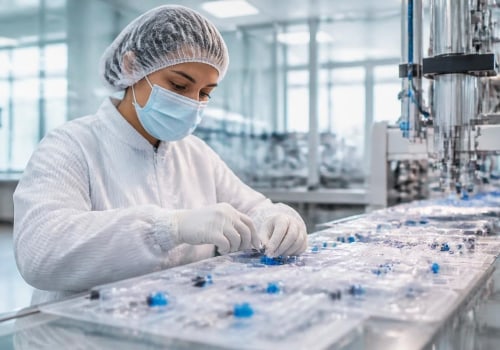
In the realm of medical device manufacturing, the safety and efficacy of products are paramount. However, despite rigorous testing and regulatory oversight, issues can arise that necessitate a recall. A medical device recall is a critical process initiated when a product is found to be defective or potentially harmful to patients. This can occur due to various reasons, including design flaws, manufacturing errors, or adverse effects that were not identified during clinical trials.
Understanding the intricacies of this process is essential for both manufacturers and consumers alike. The significance of medical device recalls cannot be overstated. They serve as a vital mechanism for protecting public health by ensuring that unsafe products are removed from the market swiftly. The recall process involves several steps, including identifying the issue, notifying regulatory bodies such as the FDA, and communicating with healthcare providers and patients. Each step is designed to mitigate risks and ensure that affected devices are either repaired, replaced, or returned. Moreover, the importance of recalls extends beyond immediate safety concerns; they also play a crucial role in maintaining trust in the healthcare system.
When manufacturers act decisively to address potential hazards, it reinforces their commitment to quality and patient safety. As we delve deeper into the specifics of how manufacturers handle recalls, it becomes clear that this process is not just a regulatory obligation but a fundamental aspect of responsible medical device manufacturing.
The Regulatory Framework Governing Medical Device Recalls
When it comes to medical device manufacturing, the regulatory framework governing recalls is primarily dictated by the Food and Drug Administration (FDA). The FDA has established a comprehensive set of guidelines that manufacturers must adhere to when a recall is necessary. Understanding these regulations is crucial for ensuring compliance and maintaining patient safety.The FDA categorizes recalls into three classes based on the severity of the potential health risks associated with the device:- Class I: This involves situations where there is a reasonable probability that the use of or exposure to a violative product will cause serious adverse health consequences or death.
- Class II: This category includes products that may cause temporary or medically reversible adverse health consequences, or where the probability of serious adverse health consequences is remote.
- Class III: These are products that are not likely to cause any adverse health consequences.
This notification must include detailed information about the device, the nature of the defect, and any potential risks associated with its use. Additionally, manufacturers must provide a plan for correcting the issue, which may involve repairing, replacing, or refunding the device.Compliance with medical device recall laws also mandates that manufacturers maintain thorough documentation throughout the recall process. This includes records of communications with the FDA, details of customer notifications, and any corrective actions taken. Such documentation not only aids in regulatory compliance but also serves as a critical tool for manufacturers in assessing their recall strategies and improving future practices.In summary, navigating the regulatory landscape surrounding medical device recalls requires a deep understanding of FDA regulations and strict adherence to compliance requirements.
By doing so, manufacturers can effectively manage recalls while prioritizing patient safety and maintaining trust in their products.
The Recall Process: Step-by-Step
When a potential issue with a medical device is identified, the recall process begins. This process is crucial for ensuring patient safety and maintaining compliance with regulatory standards. Below are the key steps involved in the recall process:- Detection: The first step involves identifying a potential defect or safety issue. This can arise from various sources, including adverse event reports, customer complaints, or routine quality control checks.
- Assessment: Once a potential issue is detected, manufacturers conduct a thorough assessment to determine the severity and scope of the problem.
This includes evaluating whether the defect poses a risk to patients and identifying affected products.
- Notification: If a recall is deemed necessary, manufacturers must notify the appropriate regulatory bodies, such as the FDA in the United States. They also inform healthcare providers and distributors about the recall to ensure that affected devices are removed from circulation.
- Implementation: During this phase, manufacturers execute the recall plan. This may involve retrieving defective products from healthcare facilities, providing instructions for safe disposal, or offering replacements or repairs.
- Communication: Clear communication is vital throughout the recall process. Manufacturers must keep stakeholders informed about the status of the recall, including updates on corrective actions and timelines.
- Resolution: After implementing corrective measures, manufacturers evaluate the effectiveness of the recall.
This includes analyzing data to ensure that all affected devices have been accounted for and that safety concerns have been adequately addressed.
- Documentation: Finally, thorough documentation of each step in the recall process is essential for compliance and future reference. This includes records of communications, actions taken, and outcomes achieved.
Communication Strategies During a Recall
Effective communication is crucial during a medical device recall, as it directly impacts the safety of patients and the reputation of the manufacturer. A well-structured communication strategy can help mitigate risks and ensure that all stakeholders are informed promptly and accurately.Informing Stakeholders
- Internal Communication: Manufacturers should first inform their internal teams, including management, sales, and customer service representatives. This ensures that everyone is on the same page and can address inquiries from external parties.
- Healthcare Providers: Direct communication with healthcare providers is essential.
Manufacturers should provide detailed information about the recall, including the reasons for it, affected products, and recommended actions.
- Patients: If applicable, manufacturers must communicate directly with patients who may be affected by the recall. This can be done through letters, emails, or phone calls, ensuring that patients understand the risks and necessary steps to take.
Public Relations in Recalls
A proactive public relations strategy is vital during a recall. Manufacturers should prepare press releases that clearly outline the situation, emphasizing their commitment to safety and transparency. This helps to maintain public trust and demonstrates accountability.Additionally, utilizing social media platforms can enhance outreach efforts.
Regular updates on the recall process can keep stakeholders informed and engaged. It’s important to monitor social media channels for feedback and respond promptly to any concerns raised by the public.In summary, effective communication strategies during a medical device recall involve timely information dissemination to all stakeholders, transparent public relations efforts, and ongoing engagement with affected parties. By prioritizing these elements, manufacturers can navigate recalls more effectively while safeguarding their reputation and ensuring patient safety.
Challenges Manufacturers Face During Recalls
Recalls of medical devices present a myriad of challenges for manufacturers, often complicating the already intricate landscape of medical device manufacturing. One of the primary hurdles is the swift identification of affected products.Manufacturers must have robust tracking systems in place to quickly pinpoint which devices are impacted and where they are located in the supply chain.Another significant challenge is communication. Manufacturers must effectively communicate with healthcare providers, regulatory bodies, and patients about the recall. This requires clear messaging to ensure that all stakeholders understand the risks associated with the device and the steps they need to take. Miscommunication can lead to confusion and potentially exacerbate safety issues.
- Regulatory Compliance: Navigating the regulatory landscape during a recall can be daunting.
Manufacturers must adhere to strict guidelines set forth by agencies such as the FDA, which can vary based on the severity of the recall.
- Resource Allocation: Managing a recall often diverts resources from other critical areas of production and development. Manufacturers must balance their operational capabilities while addressing the immediate needs of the recall.
- Reputation Management: Recalls can significantly impact a manufacturer’s reputation. Companies must engage in proactive public relations strategies to mitigate negative perceptions and maintain trust with consumers.
Regular training for staff on recall procedures can also enhance responsiveness and efficiency when a recall is necessary.In conclusion, while recalls pose substantial challenges for manufacturers in the medical device sector, proactive planning and effective communication can significantly mitigate risks and streamline the recall process.
Case Studies: Successful and Unsuccessful Recalls
Understanding the dynamics of medical device recalls is crucial for manufacturers aiming to enhance their processes and ensure patient safety. Here, we explore notable case studies that illustrate both successful and unsuccessful recall strategies.Successful Recall Example: Medtronic's Heart Devices
In 2013, Medtronic faced a recall of its implantable cardioverter defibrillators (ICDs) due to potential battery failures. The company acted swiftly by notifying healthcare providers and patients, providing clear instructions on monitoring devices, and offering replacements. This proactive communication helped maintain trust and minimized adverse outcomes.Unsuccessful Recall Example: DePuy Orthopaedics' ASR Hip Implants
Conversely, DePuy Orthopaedics struggled with the recall of its ASR hip implants in 2010. The company delayed the announcement of the recall despite knowing about high failure rates.This lack of transparency led to significant backlash from patients and healthcare professionals, resulting in lawsuits and damage to the brand's reputation.
Lessons Learned from Recalls
- Timeliness is Key: Quick action can mitigate risks and preserve brand integrity.
- Transparent Communication: Keeping stakeholders informed fosters trust and reduces panic.
- Post-Recall Support: Providing support and solutions post-recall can enhance customer loyalty.
Future Trends in Medical Device Recalls
As the landscape of medical device manufacturing evolves, so too do the strategies for managing recalls. The future of medical device recalls is poised to be shaped by several key trends, driven by advancements in technology and changes in regulatory frameworks.Technological Advancements
One of the most significant trends is the integration of advanced technologies into the recall process. Manufacturers are increasingly utilizing data analytics and artificial intelligence (AI) to monitor device performance in real-time.This proactive approach allows for quicker identification of potential issues, enabling manufacturers to initiate recalls before problems escalate.
Enhanced Traceability
The implementation of blockchain technology is another promising development. By providing a secure and transparent method for tracking devices throughout their lifecycle, blockchain can enhance traceability. This ensures that manufacturers can quickly locate affected products and communicate effectively with healthcare providers and patients during a recall.Regulatory Changes
Regulatory bodies are also adapting to these advancements. The FDA has begun to emphasize the importance of post-market surveillance, encouraging manufacturers to adopt more rigorous monitoring practices.As regulations evolve, companies will need to stay ahead by implementing comprehensive risk management strategies that align with these new requirements.
Patient-Centric Approaches
The future of recalls will likely see a shift towards more patient-centric approaches. Manufacturers are recognizing the importance of clear communication with patients and healthcare providers during a recall. Utilizing digital platforms for notifications and updates can enhance transparency and trust, ensuring that all stakeholders are informed promptly.In conclusion, the future trends in medical device recalls indicate a move towards greater efficiency and responsiveness. By leveraging technology and adapting to regulatory changes, manufacturers can improve their recall processes, ultimately enhancing patient safety and confidence in medical devices.FAQs About Medical Device Recalls
When it comes to medical device recalls, many individuals have questions regarding the process and implications.Below are some frequently asked questions that can help clarify common concerns.
- What is a medical device recall?
A medical device recall is a corrective action taken by a manufacturer to remove a product from the market or correct a defect that could pose risks to patients or users. Recalls can be voluntary or mandated by regulatory bodies like the FDA. - How are recalls communicated to the public?
Manufacturers typically notify healthcare providers, distributors, and patients through various channels, including press releases, direct mail, and public announcements. The FDA also maintains a database of recalls on its website. - What should I do if my device is recalled?
If you learn that your medical device has been recalled, it’s essential to follow the manufacturer’s instructions. This may involve returning the device for a refund, replacement, or repair.Always consult your healthcare provider for guidance.
- Are all recalls serious?
Not all recalls indicate a severe risk. Recalls are classified into three categories: Class I (serious risk), Class II (temporary or reversible health consequences), and Class III (unlikely to cause harm). Understanding the classification can help assess the urgency of the situation. - How do manufacturers prevent future recalls?
Manufacturers often enhance their quality control processes, conduct thorough testing, and implement better risk management strategies to minimize the likelihood of future recalls. Continuous monitoring and feedback from users also play a crucial role in improving product safety.
Conclusion: Key Takeaways on Handling Medical Device Recalls
In conclusion, the management of medical device recalls is a critical aspect of medical device manufacturing that directly impacts patient safety and manufacturer reputation.Throughout this article, we have explored various strategies and best practices that manufacturers can implement to effectively handle recalls.Key Takeaways:
- Proactive Risk Management: Manufacturers must prioritize risk assessment during the design and production phases to identify potential issues before they escalate into recalls.
- Clear Communication: Establishing transparent communication channels with healthcare providers, regulatory bodies, and patients is essential for timely recall notifications and updates.
- Efficient Recall Procedures: Developing a structured recall plan that includes detailed steps for identifying affected products, notifying stakeholders, and managing returns can streamline the recall process.
- Regulatory Compliance: Adhering to FDA guidelines and other regulatory requirements is crucial for ensuring that recalls are handled legally and ethically.
- Post-Recall Analysis: Conducting thorough investigations after a recall can provide valuable insights into the root causes of issues, helping manufacturers improve future practices.