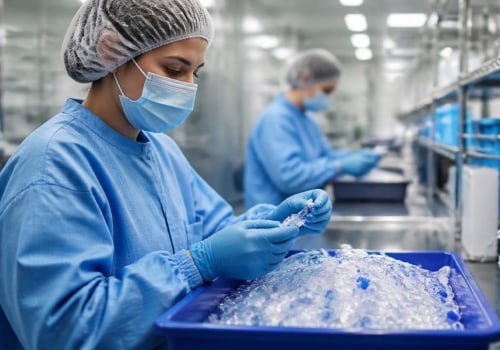
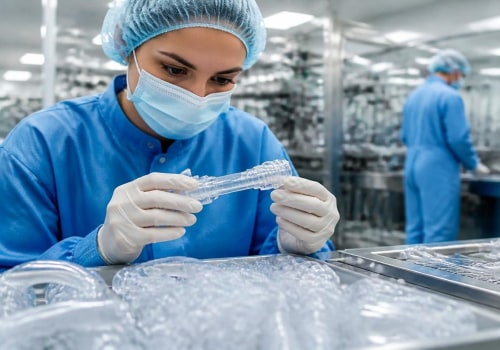
The field of medical device manufacturing plays a crucial role in the healthcare industry, providing essential tools and technologies that enhance patient care and improve health outcomes. However, as the demand for these devices continues to grow, so does the need to address their environmental impact. From the extraction of raw materials to the production processes and eventual disposal, every stage of a medical device's lifecycle poses potential risks to our planet. In recent years, there has been a significant shift towards sustainability in healthcare, prompting manufacturers to rethink their practices. This includes adopting eco-friendly materials, reducing waste, and implementing energy-efficient production methods.
The challenge lies in balancing the need for high-quality medical devices with the imperative to minimize environmental harm. As healthcare providers and patients become increasingly aware of these issues, the pressure on manufacturers to innovate sustainably intensifies. Understanding the environmental considerations in medical device manufacturing is not just a regulatory requirement; it is a moral obligation. By prioritizing sustainability, manufacturers can contribute to a healthier planet while still delivering the advanced technologies that are vital for modern medicine. This introductory exploration sets the stage for a deeper discussion on how the industry can evolve to meet both healthcare needs and environmental responsibilities.
Understanding the Medical Device Manufacturing Process
The medical device manufacturing process is a complex and multi-faceted journey that involves several critical stages, each with its own set of environmental considerations.Understanding these stages is essential for manufacturers aiming to minimize their ecological footprint while ensuring compliance with regulatory standards.
Stages of Manufacturing
- Design and Development: This initial phase involves conceptualizing the device, selecting materials, and creating prototypes. Environmental considerations here include choosing sustainable materials and minimizing waste during the design process.
- Material Sourcing: The selection of raw materials can significantly impact the environment. Manufacturers should prioritize sourcing from suppliers who adhere to sustainable practices, such as using recycled materials or those that are biodegradable.
- Production: This stage encompasses various production methods, including injection molding, machining, and assembly. Each method has its own environmental implications, such as energy consumption and emissions.
Implementing energy-efficient machinery and processes can help reduce the carbon footprint during production.
- Quality Control: Ensuring that devices meet safety and efficacy standards is crucial. However, this stage can also generate waste through testing procedures. Manufacturers can adopt more sustainable testing methods to minimize environmental impact.
- Packing and Distribution: The packaging of medical devices often involves plastics and other materials that can harm the environment. Utilizing eco-friendly packaging solutions can mitigate this issue.
Additionally, optimizing distribution routes can reduce transportation emissions.
- End-of-Life Management: Finally, considering the device's lifecycle is vital. Manufacturers should explore options for recycling or safely disposing of devices to prevent environmental contamination.
Key Environmental Challenges in Medical Device Manufacturing
The medical device manufacturing industry faces a myriad of environmental challenges that significantly impact both the ecosystem and public health. As the demand for innovative medical technologies grows, so does the need to address these pressing issues.One of the primary challenges is waste generation. The production of medical devices often involves the use of hazardous materials, which can lead to substantial waste.This waste not only includes defective products but also packaging materials and by-products from manufacturing processes. Proper disposal and recycling of these materials are crucial to minimize their environmental footprint.Another significant concern is pollution. The manufacturing processes can release harmful substances into the air and water, contributing to environmental degradation. For instance, solvents and chemicals used in device sterilization can contaminate local water supplies if not managed correctly.
Additionally, emissions from manufacturing facilities can contribute to air pollution, affecting both local communities and broader ecosystems.Resource depletion is also a critical issue in medical device manufacturing. The extraction of raw materials, such as metals and plastics, often leads to habitat destruction and biodiversity loss. Sustainable sourcing practices are essential to mitigate these impacts and ensure that resources are available for future generations.To address these challenges, many companies are adopting sustainable practices. This includes implementing waste reduction strategies, utilizing eco-friendly materials, and investing in cleaner technologies.
By prioritizing sustainability, the medical device industry can not only reduce its environmental impact but also enhance its reputation among consumers who increasingly value corporate responsibility.
Sustainable Materials in Medical Device Manufacturing
In the realm of medical device manufacturing, the choice of materials plays a crucial role in minimizing environmental impact. As the industry shifts towards sustainability, the adoption of sustainable materials has become increasingly important. These materials not only reduce waste but also enhance the overall lifecycle of medical devices.Sustainable materials
can be categorized into several types, each offering unique benefits:- Biodegradable Polymers: These materials break down naturally over time, reducing landfill waste. Examples include polylactic acid (PLA) and polyhydroxyalkanoates (PHA), which are derived from renewable resources.
- Recycled Materials: Utilizing recycled plastics and metals can significantly lower the carbon footprint associated with medical device manufacturing.
This approach not only conserves resources but also minimizes energy consumption during production.
- Natural Fibers: Materials such as hemp, jute, and bamboo are gaining traction due to their low environmental impact and renewability. These fibers can be used in various applications, including packaging and device components.
- Eco-friendly Coatings: The use of non-toxic coatings can enhance the performance of medical devices while ensuring they remain safe for both patients and the environment. These coatings often replace harmful chemicals traditionally used in manufacturing processes.
For instance, biocompatible materials reduce the risk of adverse reactions when devices come into contact with bodily tissues.Moreover, manufacturers that prioritize sustainability can enhance their brand reputation and appeal to environmentally conscious consumers and healthcare providers. As regulations around environmental impact tighten, adopting sustainable practices will not only be beneficial for the planet but also for business viability in the long run.In conclusion, the integration of sustainable materials in medical device manufacturing is a vital step towards reducing environmental impact while ensuring patient safety and compliance with evolving regulations. By embracing these innovative materials, manufacturers can contribute to a healthier planet and a more sustainable future for healthcare.
Regulatory Framework and Standards for Environmental Sustainability
The landscape of medical device manufacturing is increasingly shaped by a variety of regulatory frameworks and environmental standards aimed at promoting sustainability. These regulations are essential for ensuring that manufacturers not only comply with safety and efficacy requirements but also minimize their environmental impact.One of the primary regulatory bodies overseeing environmental practices in the United States is the Environmental Protection Agency (EPA).The EPA enforces laws such as the Resource Conservation and Recovery Act (RCRA), which governs the disposal of hazardous waste generated during the manufacturing process. Compliance with RCRA is crucial for manufacturers to avoid penalties and ensure safe waste management.In addition to federal regulations, many states have implemented their own environmental standards that may be more stringent than federal guidelines. Manufacturers must stay informed about these local regulations to maintain compliance and avoid disruptions in their operations.
Key Environmental Standards
- ISO 14001: This international standard provides a framework for effective environmental management systems (EMS). It helps organizations improve their environmental performance through more efficient use of resources and reduction of waste.
- RoHS Directive: The Restriction of Hazardous Substances (RoHS) directive restricts the use of specific hazardous materials found in electrical and electronic products, including medical devices.
Compliance with RoHS is essential for manufacturers aiming to market their products in the European Union.
- REACH Regulation: Registration, Evaluation, Authorisation, and Restriction of Chemicals (REACH) requires manufacturers to register chemical substances used in their products, ensuring that they are safe for both human health and the environment.
Innovative Technologies for Reducing Environmental Impact
As the medical device manufacturing industry faces increasing scrutiny regarding its environmental impact, innovative technologies and green manufacturing practices are emerging as vital solutions. These advancements not only help reduce waste and emissions but also promote sustainability throughout the product lifecycle.1.Additive Manufacturing
- Additive manufacturing, or 3D printing, allows for the precise creation of medical devices with minimal material waste.
By building products layer by layer, manufacturers can significantly reduce excess material and energy consumption.
- This technology also enables rapid prototyping, which accelerates the design process and reduces the time to market for new devices.
2.Biodegradable Materials
- The use of biodegradable materials in medical device manufacturing is gaining traction. These materials can break down naturally over time, reducing landfill waste and environmental pollution.
- Innovations in bioplastics and other eco-friendly materials are paving the way for sustainable alternatives to traditional plastics used in devices.
3.Energy-Efficient Manufacturing Processes
- Implementing energy-efficient manufacturing processes is crucial for minimizing the carbon footprint of medical device production. Techniques such as lean manufacturing streamline operations, reducing energy consumption and waste.
- Additionally, integrating renewable energy sources, such as solar or wind power, into manufacturing facilities can further decrease reliance on fossil fuels.
4.Closed-Loop Systems
- Closed-loop systems in manufacturing allow for the recycling and reuse of materials within the production process. This approach not only conserves resources but also minimizes waste generation.
- By adopting closed-loop practices, manufacturers can create a circular economy that supports sustainability while maintaining product quality.
As the industry evolves, continued investment in eco-friendly technologies will be crucial for achieving long-term sustainability goals.
Case Studies: Successful Implementation of Sustainable Practices
In the realm of medical device manufacturing, several companies have set benchmarks by integrating sustainable practices into their operations. These case studies illustrate how innovation and responsibility can coexist, leading to both environmental benefits and enhanced corporate reputation.Case Study 1: Medtronic
Medtronic, a global leader in medical technology, has made significant strides in sustainability. The company implemented a comprehensive waste reduction program that focuses on recycling and reusing materials. In 2020, Medtronic reported a 30% reduction in waste sent to landfills across its manufacturing sites.This initiative not only minimized environmental impact but also resulted in cost savings, demonstrating that sustainability can align with financial performance.
Case Study 2: Siemens Healthineers
Siemens Healthineers has embraced a circular economy model in its medical device manufacturing. By designing products for longevity and recyclability, the company has successfully reduced its carbon footprint. Their initiative to use recycled materials in the production of imaging devices has led to a 20% decrease in raw material consumption. This approach not only conserves resources but also sets a precedent for other manufacturers in the industry.Case Study 3: Johnson & Johnson
Johnson & Johnson has launched several sustainability initiatives aimed at reducing environmental impact throughout its supply chain.One notable project is their commitment to achieving 100% renewable energy in their global manufacturing operations by 2025. This ambitious goal is supported by investments in solar and wind energy, showcasing how large corporations can lead the way in sustainable practices.These case studies highlight that successful sustainability initiatives in medical device manufacturing are not only feasible but also beneficial for companies looking to enhance their operational efficiency and brand image. By adopting best practices from these leaders, other manufacturers can contribute to a more sustainable future while maintaining competitiveness in the market.
Future Trends in Sustainable Medical Device Manufacturing
As the healthcare industry increasingly prioritizes sustainability, future trends in medical device manufacturing are evolving to meet these demands. Innovations in materials, processes, and technologies are paving the way for a more environmentally friendly approach to medical device production.Innovative Materials
One of the most significant trends is the shift towards using sustainable materials. Manufacturers are exploring bioplastics and biodegradable materials that reduce environmental impact without compromising performance.These materials not only minimize waste but also enhance the recyclability of devices at the end of their lifecycle.
Circular Economy Practices
The concept of a circular economy is gaining traction in medical device manufacturing. This approach emphasizes designing products for longevity, repairability, and recyclability. Companies are beginning to implement take-back programs that allow for the safe return and recycling of devices, thus reducing landfill waste and promoting resource recovery.Energy Efficiency and Reduced Emissions
Manufacturers are also focusing on improving energy efficiency within their production processes. By adopting renewable energy sources and optimizing manufacturing operations, companies can significantly reduce their carbon footprint.This trend aligns with broader sustainability goals across various industries.
Digital Innovations
The integration of digital technologies, such as IoT and AI, is transforming how medical devices are designed and manufactured. These technologies enable real-time monitoring of production processes, leading to enhanced efficiency and reduced waste. Furthermore, predictive analytics can help manufacturers anticipate maintenance needs, extending the lifespan of devices.Regulatory Changes and Industry Standards
As sustainability becomes a priority, regulatory bodies are likely to introduce stricter guidelines for medical device manufacturing. Companies will need to adapt to these changes by incorporating sustainable practices into their operations.Staying ahead of regulatory trends will not only ensure compliance but also enhance brand reputation among environmentally conscious consumers.In conclusion, the future of sustainable medical device manufacturing is bright, driven by innovative materials, circular economy practices, energy efficiency, digital innovations, and evolving regulations. Embracing these trends will be crucial for manufacturers aiming to lead in an increasingly eco-conscious market.
FAQs About Environmental Considerations in Medical Device Manufacturing
As the medical device manufacturing industry continues to evolve, many stakeholders are increasingly concerned about its environmental impact. Below are some frequently asked questions that address key considerations in this area.What are the main environmental concerns in medical device manufacturing?
The primary environmental concerns include:- Waste generation: Medical device manufacturing often produces significant amounts of waste, including hazardous materials that require careful disposal.
- Energy consumption: The production processes can be energy-intensive, contributing to a larger carbon footprint.
- Water usage: Many manufacturing processes require substantial water resources, raising concerns about sustainability and water scarcity.
- Material sourcing: The extraction and processing of raw materials can lead to environmental degradation and biodiversity loss.
How can manufacturers reduce their environmental impact?
Manufacturers can adopt several strategies to minimize their environmental footprint:- Implementing sustainable practices: This includes using eco-friendly materials and reducing waste through recycling and reusing.
- Energy efficiency: Investing in energy-efficient machinery and optimizing production processes can significantly lower energy consumption.
- Water conservation: Techniques such as closed-loop water systems can help reduce overall water usage.
- Life cycle assessment (LCA): Conducting LCAs helps manufacturers understand the environmental impact of their products from production to disposal, guiding improvements.
Are there regulations governing environmental practices in medical device manufacturing?
Yes, various regulations exist at both national and international levels aimed at minimizing the environmental impact of medical device manufacturing. These include:- The Resource Conservation and Recovery Act (RCRA), which governs hazardous waste management.
- The Clean Air Act, which regulates air emissions from manufacturing facilities.
- The Clean Water Act, which addresses water pollution from industrial sources.
Conclusion: The Path Forward for Sustainable Medical Device Manufacturing
As we conclude our exploration of medical device manufacturing and its environmental implications, it is clear that the path forward must prioritize sustainability.The healthcare industry is at a critical juncture where the demand for innovative medical devices must be balanced with the urgent need to protect our planet.Throughout this article, we have highlighted several key considerations:
- Material Selection: The choice of materials plays a pivotal role in reducing the environmental footprint of medical devices. Biodegradable and recyclable materials should be prioritized to minimize waste.
- Energy Efficiency: Implementing energy-efficient manufacturing processes can significantly reduce greenhouse gas emissions associated with production.
- Waste Management: Effective waste management strategies, including recycling and proper disposal of hazardous materials, are essential to mitigate the environmental impact of medical device manufacturing.
- Regulatory Compliance: Adhering to environmental regulations not only ensures compliance but also fosters a culture of responsibility within the industry.
- Life Cycle Assessment: Conducting thorough life cycle assessments can help manufacturers understand the environmental impact of their products from inception to disposal.
Together, we can pave the way for a more environmentally responsible healthcare system that prioritizes both human health and the health of our planet.