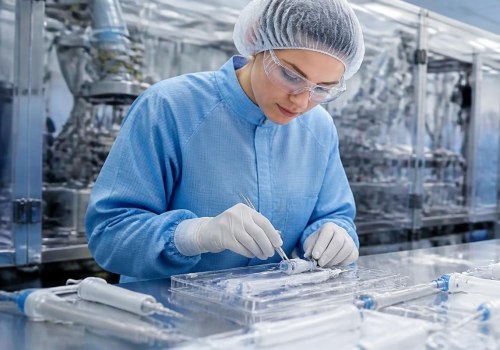
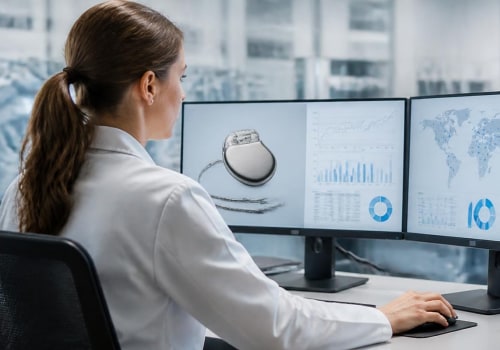
In the rapidly evolving field of medical device manufacturing, the intersection of technology and healthcare presents both remarkable opportunities and significant challenges. Medical devices, ranging from simple bandages to complex robotic surgical systems, play a crucial role in diagnosing, monitoring, and treating various health conditions. As the demand for innovative solutions grows, so does the responsibility of manufacturers to ensure that their products are not only effective but also ethically produced. The importance of ethics in medical device manufacturing cannot be overstated. Ethical considerations encompass a wide range of issues, including patient safety, regulatory compliance, and the environmental impact of production processes.
Manufacturers must navigate these complexities while striving to maintain high standards of quality and integrity. This commitment to ethical practices is essential not only for building trust with healthcare providers and patients but also for fostering a sustainable industry that prioritizes human well-being. As we delve deeper into the ethical implications surrounding medical device manufacturing, it becomes evident that the stakes are high. The decisions made during the design, testing, and production phases can have profound effects on patient outcomes and public health. Therefore, understanding these ethical dimensions is vital for anyone involved in the industry, from engineers and designers to regulatory bodies and healthcare professionals.
Regulatory Framework and Compliance
The landscape of medical device manufacturing is heavily influenced by a complex web of regulations designed to ensure safety, efficacy, and ethical practices.Compliance with these regulations is not merely a legal obligation; it is a fundamental aspect of maintaining public trust and ensuring patient safety.In the United States, the primary regulatory body overseeing medical device regulations is the Food and Drug Administration (FDA). The FDA categorizes medical devices into three classes based on their risk levels:
- Class I: Low-risk devices that are subject to the least regulatory control. Examples include bandages and handheld surgical instruments.
- Class II: Moderate-risk devices that require greater regulatory controls to ensure safety and effectiveness. Examples include infusion pumps and X-ray machines.
- Class III: High-risk devices that require premarket approval due to their potential to cause significant harm.
Examples include pacemakers and implantable defibrillators.
This includes:
- Transparency: Open communication about product risks and benefits with healthcare providers and patients.
- Accountability: Taking responsibility for product performance and addressing any issues promptly.
- Sustainability: Considering environmental impacts in the manufacturing process and product lifecycle.
Ethical Design and Development Practices
In the realm of medical device manufacturing, ethical design and development practices are paramount to ensure that products not only meet regulatory standards but also prioritize user safety and efficacy. The integration of ethical considerations during the design phase can significantly influence the overall success and acceptance of medical devices.User-Centered Design
is a critical aspect of ethical practices in medical device development. This approach emphasizes understanding the needs, preferences, and limitations of end-users, including patients and healthcare professionals.
By involving users in the design process through feedback sessions, usability testing, and iterative prototyping, manufacturers can create devices that are not only functional but also intuitive and safe to use.Moreover, ethical design extends beyond user interaction; it encompasses the materials and technologies employed in manufacturing. Selecting biocompatible materials that minimize adverse reactions is essential for ensuring patient safety. Additionally, manufacturers must consider the environmental impact of their products throughout their lifecycle, from production to disposal.
- Transparency: Manufacturers should maintain transparency regarding the materials used and the potential risks associated with their devices. This fosters trust among users and healthcare providers.
- Regulatory Compliance: Adhering to established guidelines set forth by regulatory bodies such as the FDA ensures that devices are safe and effective before they reach the market.
- Continuous Improvement: Ethical practices should include mechanisms for ongoing monitoring and feedback post-launch.
This allows for timely updates and improvements based on real-world usage data.
Clinical Trials and Ethical Considerations
In the realm of medical device manufacturing, the ethical considerations surrounding clinical trials are paramount. These trials are essential for ensuring that new devices are safe and effective before they reach the market. However, they also raise significant ethical questions that must be addressed to protect participants and maintain public trust.Informed Consent
One of the most critical aspects of clinical trials is informed consent.Participants must be fully aware of the nature of the trial, including potential risks and benefits. This process involves providing clear and comprehensive information about the device being tested, the trial's purpose, and any possible side effects. Researchers must ensure that consent is obtained voluntarily, without coercion, allowing participants to make informed decisions about their involvement.
Participant Safety
Ensuring participant safety is another ethical cornerstone in medical device testing. Manufacturers and researchers have a responsibility to minimize risks and monitor participants closely throughout the trial.This includes implementing rigorous safety protocols and having a plan in place for addressing any adverse events that may arise during the study. Ethical oversight committees play a crucial role in reviewing trial designs to ensure that participant welfare is prioritized.
Data Integrity
Data integrity is vital for maintaining the credibility of clinical trials. Researchers must adhere to strict guidelines for data collection, analysis, and reporting. Any manipulation or falsification of data not only undermines the trial's validity but also poses ethical concerns regarding transparency and accountability.Ensuring that results are reported honestly is essential for advancing medical knowledge and fostering trust in medical device manufacturing.In conclusion, addressing these ethical considerations—informed consent, participant safety, and data integrity—is crucial for conducting responsible clinical trials in the field of medical devices. By prioritizing these elements, manufacturers can contribute to safer healthcare innovations while upholding ethical standards.
Post-Market Surveillance and Accountability
Once a medical device is on the market, the ethical responsibilities of manufacturers extend beyond initial compliance with regulatory standards.Post-market surveillance
is a critical aspect of ensuring ongoing safety and effectiveness. This involves systematic monitoring of device performance and gathering data on any adverse events that may arise during real-world use.Manufacturers must implement robust systems to track the performance of their devices after they are deployed.This includes:
- Collecting feedback from healthcare providers and patients to identify potential issues.
- Analyzing data from various sources, including registries and clinical studies, to assess long-term outcomes.
- Reporting adverse events promptly to regulatory bodies, ensuring transparency and accountability.
- Recalling devices that pose significant risks to patients.
- Updating labeling or instructions for use to reflect new safety information.
- Conducting further research to understand the root causes of any reported issues.
Sustainability and Environmental Impact
The sustainability of medical device manufacturing is increasingly becoming a focal point in discussions about ethical practices within the healthcare industry.As the demand for medical devices grows, so does the need to address their environmental impact. The manufacturing processes often involve significant resource consumption and waste generation, which raises questions about the long-term viability of these practices.One of the primary ethical considerations is the lifecycle of medical devices. From raw material extraction to production, usage, and eventual disposal, each stage has potential environmental repercussions. For instance, many devices are made from plastics and metals that require extensive energy to produce and can contribute to pollution if not disposed of properly.
Eco-Friendly Practices in Manufacturing
To mitigate these impacts, manufacturers are increasingly adopting eco-friendly practices.These include:
- Material Selection: Choosing sustainable materials that are biodegradable or recyclable can significantly reduce environmental footprints.
- Energy Efficiency: Implementing energy-efficient technologies in production processes helps lower greenhouse gas emissions.
- Waste Reduction: Strategies such as lean manufacturing aim to minimize waste throughout the production cycle.
- Recycling Programs: Establishing take-back programs for used devices encourages proper disposal and recycling, reducing landfill contributions.
Equity and Access to Medical Devices
The ethical considerations surrounding equity and access to medical devices are paramount in ensuring that all populations receive the healthcare they deserve. Disparities in access can lead to significant health inequities, particularly among marginalized communities.Understanding these disparities is crucial for manufacturers and policymakers alike.
Affordability
is a major barrier to access. Many advanced medical devices come with high price tags, making them unaffordable for low-income patients or those without adequate insurance coverage. This raises ethical questions about the responsibility of manufacturers to create cost-effective solutions that do not compromise quality.Moreover, the availability of medical devices can vary significantly based on geographic location. Rural areas often lack access to the latest technologies, which can lead to poorer health outcomes compared to urban centers.Manufacturers must consider how their distribution strategies can promote equitable access across different regions.
- Regulatory Frameworks: Governments and regulatory bodies play a crucial role in ensuring that medical devices are accessible to all. Policies that incentivize the development of affordable devices can help bridge the gap.
- Community Engagement: Engaging with communities to understand their specific needs can guide manufacturers in creating products that are not only effective but also accessible.
- Innovative Solutions: Exploring alternative business models, such as leasing or subscription services for medical devices, may enhance affordability and accessibility.
Future Trends and Ethical Implications
The landscape of medical device manufacturing is rapidly evolving, driven by advancements in technology and a growing emphasis on ethical considerations. As we look to the future, several key trends are emerging that will shape the industry and raise important ethical questions.Emerging Technologies and Their Ethical Implications
One of the most significant trends is the integration of artificial intelligence (AI) into medical devices.AI has the potential to enhance diagnostic accuracy, personalize treatment plans, and improve patient outcomes. However, this advancement also brings forth ethical dilemmas regarding data privacy, algorithmic bias, and accountability. Manufacturers must ensure that AI systems are transparent and that they do not inadvertently perpetuate existing health disparities.
Regulatory Challenges
As new technologies emerge, regulatory frameworks must adapt to ensure safety and efficacy. The challenge lies in balancing innovation with patient protection.Ethical considerations in medical device manufacturing will increasingly focus on how regulations can keep pace with rapid technological advancements while safeguarding public health.
Sustainability and Environmental Impact
Another trend is the growing emphasis on sustainability within the industry. Manufacturers are being called upon to consider the environmental impact of their products throughout their lifecycle—from production to disposal. Ethical manufacturing practices that prioritize sustainability not only benefit the planet but also enhance brand reputation and consumer trust.Patient-Centric Design
The future of medical devices also points towards a more patient-centric approach in design and development. Engaging patients in the design process can lead to devices that better meet their needs and preferences.However, this raises ethical questions about informed consent and the extent to which patient feedback is genuinely integrated into product development.In conclusion, as medical device manufacturing continues to evolve with emerging technologies like AI, it is crucial for stakeholders to address these ethical implications proactively. By fostering a culture of ethical awareness, manufacturers can not only innovate responsibly but also contribute positively to healthcare outcomes.
Conclusion: The Path Forward for Ethical Medical Device Manufacturing
As we conclude our exploration of ethical considerations in medical device manufacturing, it is clear that the path forward requires a steadfast commitment to integrity, transparency, and responsibility. The complexities of this industry demand that manufacturers prioritize not only innovation but also the well-being of patients and healthcare providers.Throughout this discussion, we have identified several key areas that warrant ongoing attention:- Patient Safety: Ensuring that all devices are rigorously tested and validated before reaching the market is paramount. This includes adhering to regulatory standards and conducting thorough post-market surveillance.
- Transparency: Open communication regarding the risks and benefits of medical devices fosters trust among stakeholders.
Manufacturers must be forthcoming about clinical trial results and any potential conflicts of interest.
- Sustainability: The environmental impact of medical device production cannot be overlooked. Ethical manufacturing practices should incorporate sustainable materials and processes to minimize ecological footprints.
- Equity in Access: Addressing disparities in access to medical devices is crucial. Manufacturers should strive to make their products available to underserved populations, ensuring that advancements benefit all segments of society.
As we navigate the challenges ahead, let us remain committed to creating devices that are not only effective but also ethically produced, ensuring a healthier future for all.