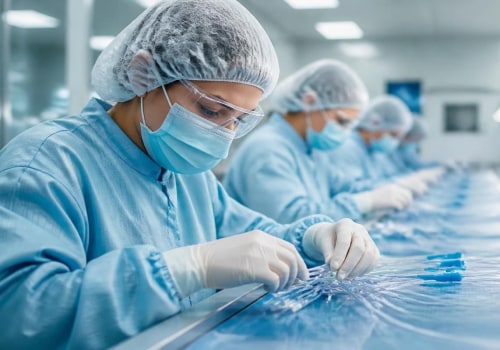
The field of medical device manufacturing plays a crucial role in the healthcare industry, serving as the backbone for innovations that enhance patient care and treatment outcomes. As technology continues to evolve at a rapid pace, the manufacturing processes for medical devices are also undergoing significant transformations. These advancements not only improve the efficiency and effectiveness of devices but also ensure that they meet the stringent regulatory standards required for safety and efficacy.In recent years, we have witnessed a surge in the integration of cutting-edge technologies such as artificial intelligence, robotics, and 3D printing into medical device manufacturing. These innovations are revolutionizing how devices are designed, produced, and tested.
For instance, 3D printing allows for the creation of customized implants and prosthetics tailored to individual patient needs, while AI-driven analytics can streamline production processes and enhance quality control.The significance of these advancements extends beyond mere production efficiency; they also pave the way for groundbreaking medical solutions that can address complex health challenges. As we delve deeper into the impact of technology on medical device manufacturing, it becomes evident that these developments are not just reshaping the industry but are also setting new standards for what is possible in healthcare.
Overview of Medical Device Manufacturing Processes
The field of medical device manufacturing encompasses a variety of processes that are essential for creating devices that meet stringent regulatory standards and patient needs. Understanding these processes is vital for appreciating how advancements in technology can enhance efficiency, precision, and safety in the production of medical devices.At the core of medical device manufacturing processes are several key stages:- Design and Development: This initial phase involves conceptualizing the device, followed by detailed design work. Engineers utilize computer-aided design (CAD) software to create precise models, which can be easily modified based on testing and feedback.
- Prototyping: Once a design is finalized, prototypes are created to evaluate functionality and usability.
Rapid prototyping techniques, such as 3D printing, allow for quick iterations and testing of designs before moving to full-scale production.
- Manufacturing Techniques: Various manufacturing techniques are employed depending on the type of device being produced. Common methods include injection molding for plastic components, CNC machining for metal parts, and assembly processes that integrate multiple components into a final product.
- Quality Control: Throughout the manufacturing process, rigorous quality control measures are implemented to ensure compliance with industry standards. This includes testing materials, inspecting finished products, and maintaining documentation for regulatory purposes.
AI algorithms can analyze data from manufacturing processes to optimize operations and predict maintenance needs. Furthermore, IoT devices can monitor equipment in real-time, ensuring that any issues are addressed promptly.In conclusion, the landscape of medical device manufacturing is continuously evolving due to technological advancements. By enhancing design capabilities, improving production methods, and ensuring stringent quality control, technology plays a pivotal role in shaping the future of this critical industry.
Key Technological Advancements in Medical Device Manufacturing
The landscape of medical device manufacturing is undergoing a profound transformation, driven by several key technological advancements. These innovations not only enhance the efficiency of production processes but also improve the quality and customization of medical devices.3D Printing
One of the most significant breakthroughs in medical device manufacturing is the adoption of 3D printing.This technology allows for the rapid prototyping and production of complex geometries that traditional manufacturing methods struggle to achieve. With 3D printing, manufacturers can create tailored devices that meet specific patient needs, reducing waste and lowering costs. For instance, custom implants and prosthetics can be produced with precision, ensuring better fit and functionality.
Automation
Automation is another critical advancement reshaping the manufacturing landscape. By integrating robotics and automated systems into production lines, manufacturers can achieve higher levels of efficiency and consistency.Automation minimizes human error, speeds up production times, and allows for 24/7 operation. This is particularly beneficial in the production of high-volume devices where precision is paramount.
Artificial Intelligence
Artificial Intelligence (AI) is revolutionizing how manufacturers approach design and quality control in medical device manufacturing. AI algorithms can analyze vast amounts of data to predict potential failures or defects in devices before they occur. This predictive maintenance not only enhances product reliability but also reduces downtime in manufacturing processes.Furthermore, AI-driven analytics can streamline supply chain management, ensuring that materials are available when needed without overstocking.
Technology Trends
The convergence of these technologies—3D printing, automation, and AI—is paving the way for new trends in medical device manufacturing. As these technologies continue to evolve, we can expect even greater innovations that will enhance patient care and operational efficiency. Manufacturers who embrace these advancements will not only stay competitive but also lead the charge in delivering cutting-edge medical solutions.Impact of Data Analytics and IoT on Manufacturing Efficiency
The integration of data analytics and the Internet of Things (IoT) into medical device manufacturing has revolutionized the industry, leading to significant improvements in operational efficiency and product quality. By leveraging real-time data, manufacturers can make informed decisions that enhance their production processes.Data analytics
plays a crucial role in identifying trends and patterns within manufacturing operations.By analyzing data collected from various stages of production, companies can pinpoint inefficiencies and areas for improvement. For instance, predictive analytics can forecast equipment failures before they occur, allowing for timely maintenance and reducing downtime.Moreover, the use of IoT devices enables seamless communication between machines and systems on the factory floor. These connected devices collect vast amounts of data that can be analyzed to optimize workflows. For example:
- Real-time monitoring: IoT sensors can track the performance of machinery, providing insights into operational efficiency.
- Supply chain optimization: Data from IoT devices can help manufacturers manage inventory levels more effectively, ensuring that materials are available when needed without overstocking.
- Quality control: Continuous data collection allows for immediate detection of defects in products, enabling quick corrective actions to maintain high-quality standards.
Manufacturers can utilize insights gained from data to create more effective medical devices tailored to patient needs. This adaptability is essential in a rapidly evolving healthcare landscape.In conclusion, the impact of data analytics and IoT on medical device manufacturing is profound. By embracing these technologies, manufacturers can achieve greater efficiency, reduce costs, and ultimately deliver higher-quality products that meet the demands of healthcare providers and patients alike.
Regulatory Considerations with New Technologies
The integration of new technologies in medical device manufacturing brings about significant regulatory considerations that manufacturers must navigate to ensure compliance. As innovations such as artificial intelligence, 3D printing, and the Internet of Things (IoT) become more prevalent, understanding the regulatory landscape is crucial for successful implementation.One of the primary regulatory bodies overseeing medical device manufacturing in the United States is the Food and Drug Administration (FDA).The FDA has established guidelines that dictate how new technologies should be evaluated and approved. These guidelines are designed to ensure that devices are safe and effective for public use.
- Pre-Market Approval (PMA): For high-risk devices, manufacturers must submit a PMA application, which includes extensive data on safety and efficacy.
- 510(k) Clearance: Many devices can be marketed through this pathway if they are shown to be substantially equivalent to an already approved device.
- De Novo Classification: This pathway is available for novel devices that are low to moderate risk and do not have a predicate.
This involves ongoing monitoring of device performance and safety after market entry, which can be particularly challenging for devices that incorporate software or AI components.In conclusion, while advancements in technology present exciting opportunities for medical device manufacturing, they also necessitate a thorough understanding of regulatory considerations. By proactively addressing compliance challenges and adhering to FDA guidelines, manufacturers can successfully integrate new technologies while ensuring patient safety and regulatory adherence.
Challenges Faced by Manufacturers Adopting New Technologies
As the landscape of medical device manufacturing evolves with rapid technological advancements, manufacturers encounter a myriad of challenges that can hinder the successful integration of these innovations. Understanding these challenges is crucial for navigating the complexities of modern production processes.1.Regulatory Compliance: One of the foremost challenges is adhering to stringent regulatory standards. The introduction of new technologies often necessitates comprehensive validation and verification processes to ensure compliance with regulations set forth by bodies such as the FDA.This can lead to extended timelines and increased costs.2.High Initial Investment: The financial burden associated with adopting cutting-edge technologies can be significant. Manufacturers may face high upfront costs for new equipment, software, and training, which can deter smaller companies from pursuing innovation.3.Workforce Training: Integrating new technologies requires a skilled workforce adept at utilizing advanced tools and systems. Manufacturers must invest in ongoing training programs to equip employees with the necessary skills, which can be both time-consuming and costly.4.Resistance to Change: Organizational culture plays a pivotal role in technology adoption. Employees may resist changes due to fear of job displacement or discomfort with new processes, creating barriers that slow down implementation.5.Supply Chain Disruptions: The integration of new technologies can also disrupt existing supply chains.
Manufacturers must ensure that their suppliers are capable of meeting new requirements, which may involve renegotiating contracts or sourcing from different vendors.6.Data Security Concerns: With the rise of connected devices and IoT in medical device manufacturing, data security becomes a paramount concern. Manufacturers must implement robust cybersecurity measures to protect sensitive patient information and comply with data protection regulations. In conclusion, while advancements in technology hold great promise for enhancing medical device manufacturing, manufacturers must navigate these challenges carefully to fully realize the benefits of innovation.
Future Trends in Medical Device Manufacturing Technology
The landscape of medical device manufacturing is on the brink of transformation, driven by rapid advancements in technology. As we look to the future, several key trends are poised to redefine how medical devices are designed, produced, and utilized.Integration of Artificial Intelligence
One of the most significant trends is the integration of artificial intelligence (AI) into manufacturing processes. AI can enhance predictive maintenance, optimize supply chains, and improve quality control.By analyzing vast amounts of data, AI algorithms can identify potential defects before they occur, ensuring higher standards in medical device manufacturing.
3D Printing Innovations
3D printing technology is also set to revolutionize the industry. This method allows for rapid prototyping and customization of devices tailored to individual patient needs. As materials science advances, we can expect to see new biocompatible materials that will enable the production of complex structures that were previously impossible to manufacture.Internet of Medical Things (IoMT)
The rise of the Internet of Medical Things (IoMT) will further enhance connectivity between devices and healthcare providers. Smart devices equipped with sensors can collect real-time data, facilitating remote monitoring and timely interventions.This trend not only improves patient outcomes but also streamlines manufacturing processes by providing manufacturers with valuable feedback on device performance.
Sustainability in Manufacturing
As environmental concerns grow, sustainability will become a critical focus in medical device manufacturing. Manufacturers will increasingly adopt eco-friendly materials and processes to minimize waste and reduce their carbon footprint. Innovations such as biodegradable materials and energy-efficient production methods will likely gain traction.Regulatory Adaptations
Finally, as technology evolves, so too must regulatory frameworks. Future regulations will need to adapt quickly to accommodate new technologies while ensuring patient safety.This dynamic environment will challenge manufacturers to stay ahead of compliance requirements while fostering innovation.In conclusion, the future of medical device manufacturing is bright, with advancements in AI, 3D printing, IoMT, sustainability practices, and regulatory adaptations paving the way for a more efficient and effective industry. Staying informed about these trends will be crucial for stakeholders aiming to thrive in this rapidly evolving landscape.
Conclusion: The Future of Medical Device Manufacturing Amidst Technological Change
As we look towards the future of medical device manufacturing, it is clear that technological advancements will continue to play a pivotal role in shaping the industry. The integration of cutting-edge technologies such as artificial intelligence, 3D printing, and the Internet of Things (IoT) has already begun to transform how devices are designed, produced, and maintained.One of the most significant impacts of these advancements is the ability to create highly customized medical devices tailored to individual patient needs. This personalization not only enhances patient outcomes but also streamlines production processes, reducing waste and costs associated with traditional manufacturing methods.Moreover, the rise of smart medical devices equipped with IoT capabilities allows for real-time monitoring and data collection.This connectivity facilitates proactive healthcare management, enabling manufacturers to gather valuable insights into device performance and patient usage. Such data can inform future designs and improvements, ensuring that products remain relevant and effective.Additionally, advancements in materials science are leading to the development of more durable and biocompatible materials. These innovations not only enhance the safety and efficacy of medical devices but also extend their lifespan, ultimately benefiting both manufacturers and patients.In conclusion, the future of medical device manufacturing is bright, driven by continuous technological innovation. As manufacturers embrace these changes, they will not only improve operational efficiencies but also enhance patient care through more effective and personalized medical solutions.
Staying ahead in this rapidly evolving landscape will require a commitment to adopting new technologies and a willingness to adapt to the changing needs of healthcare providers and patients alike.